Portuguese market
The tea market in Portugal
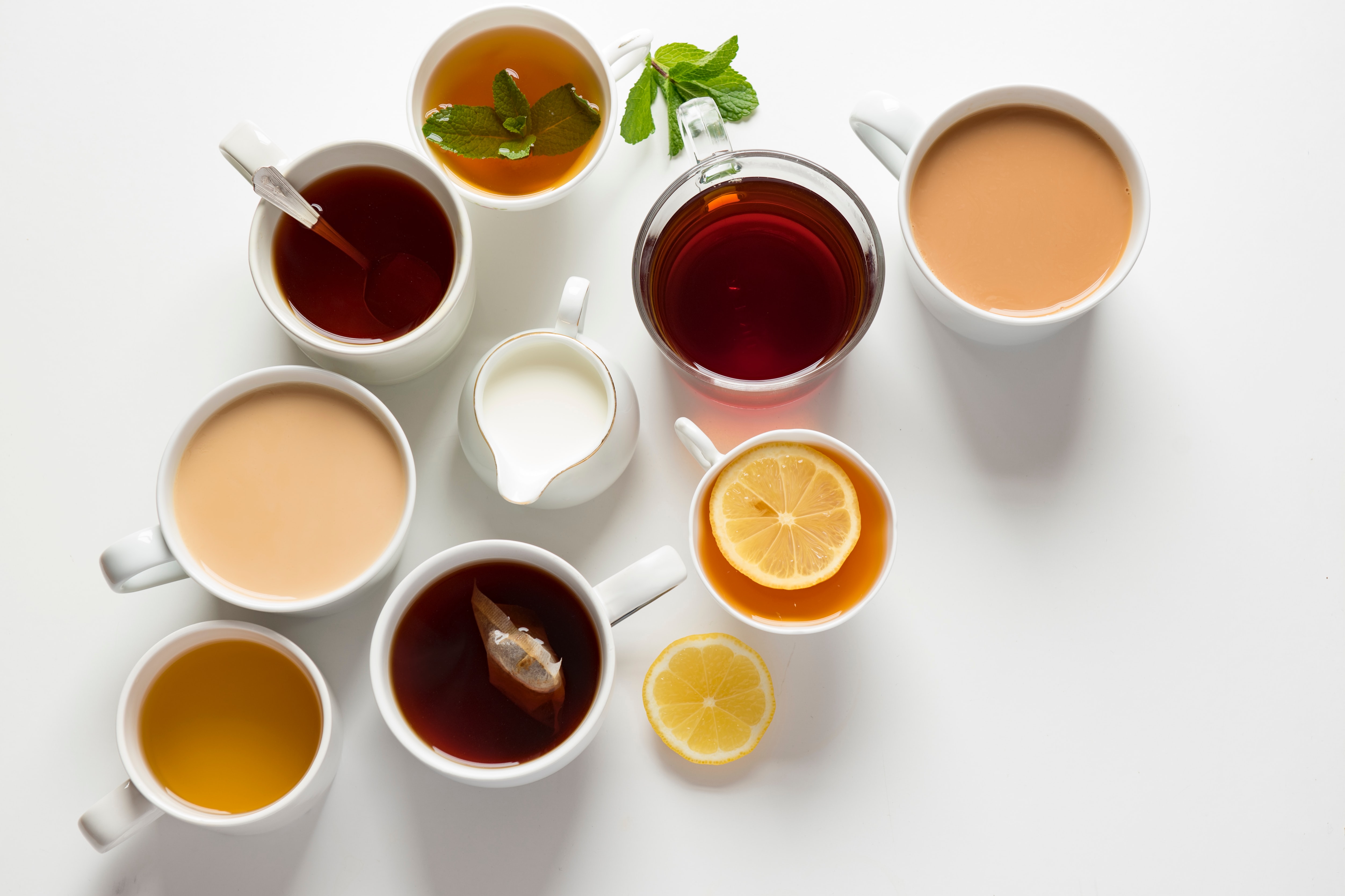
Tea, with 1.5 billion cups consumed every day, is the second most widely consumed beverage in the world after water. Established in China, introduced to Japan at the end of the 8th century and part of British culture, tea also occupies a special place in Middle Eastern cultures. The global nature of tea is reflected in the long list of countries where it is consumed.
- Price
- €99 excl. VAT
- €104.45 incl. French VAT
- PDF sent by email within 48 hours
- Written by industry experts
- Data unavailable to general-purpose AI
- Press sources
Intelligent search
Sectoria
Explore the Businesscoot corpus to take your study further.



The Businesscoot team
A question or a quote?Market overview
Identify industry dynamics, opportunities and market participants to inform your project.
- Understand the market scope
- Identify demand drivers
- Understand market participants and their challenges
Tea, with 1.5 billion cups consumed every day, is the second most widely consumed beverage in the world after water. Established in China, introduced to Japan at the end of the 8th century and part of British culture, tea also occupies a special place in Middle Eastern cultures. The global nature of tea is reflected in the long list of countries where it is consumed.
Tea is a beverage made from the leaves of the tea plant (around 200 species), infused in hot water. Teas are segmented by their colors (black, green, oolong, yellow, white and post-fermented), which differ according to how the leaves are processed. Rooibos or "red tea" is in fact an infusion obtained from the leaves of the Aspalathus linearis, found only in South Africa, and not from the tea plant.
Consumption patterns differ from country to country. In Portugal, tea is mainly consumed in tea bags, and black tea is consumed twice as much as green tea, despite slower growth. 58.6% of Portugal's population drink tea, with consumption strongly segmented by gender, with women's consumption 39% higher than that of men. There is also significant segmentation by income: the upper and middle classes are more inclined to consume tea(76.2% and 70.3% respectively). Lipton occupies a remarkable leadership position in the Portuguese market, holding around half of the market share for teas and infusions.
Study contents
Chapters connecting customer needs, advisory services and the economics of industry professionals.
- Understand customers and uses
- Connect products, businesses and distribution channels
- Compare market participants and their models
Market overview
Demand analysis
Market structure
Offer analysis
Regulations
Positioning the players
Our expertise
Sources to support your analysis
Base your analysis on identified sources, with clear dates and definitions for each figure.
- Understand the scope of the data
- Find the cited publications
- Compare perspectives on the market
Produced by experts — Analysis backed by 35 years of experience in professional information. Our experts select sources, cross-check data and explain the issues shaping your market.
Beyond AI — Professional sources and expert analysis that go beyond ChatGPT or Claude answers based solely on the public web.
IndexPresse press database — Professional press articles covering market news, business strategies and industry developments. All articles are .
Open-access databases — Freely accessible data and publications to enrich the analysis and cross-check the information available on each market.
Official statistics databases — Economic and demographic indicators published by statistical agencies to measure trends and compare markets.
Specialist industry databases — Specialist data and reports to deepen your understanding of the players, segments and dynamics of each industry.








Trusted by professionals
Professionals share their experience of the clarity and usefulness of our studies and the Businesscoot service.
- Clear, structured analysis
- Insights for business projects
- Responsive customer service
As a business valuation expert, I need reliable strategic analysis of potential targets in their industries. For several years, I have relied on Businesscoot's industry analysis, where expertise and relevant data are essential.

David Jeanne
Managing director •
I am very satisfied with Businesscoot's market studies. The information is clear and well structured, making it easy to understand an industry's trends and key figures. Their catalogue is extensive and varied, and customer service is responsive. I recommend Businesscoot for reliable, accessible analysis.

Time Albouy
Business development expert •
Our team of industry experts
Talk to our team to check that the study's subject and scope match your project.
- Check the market scope
- Choose the right study for your project
- Ask a question before ordering
Guilhem Cournut
Food, retail and consumer goods
Denis Monnoyeur
Industry, energy and construction
Marie-Annick Cournède
Health, beauty and personal services

Arthur Lefeuvre
Digital, media and telecommunications
Related studies
Explore complementary studies to broaden your analysis.
- Explore related markets
- Compare market dynamics
- Refine your project
The market of tea rooms in Germany
Tea salons, or also called tea rooms, are often urban establishments where you can not only drink, but to a large extent also eat something. There is a wide selection of tea with the possibility of finding other drinks such as coffee or juices. Snacks
The tea market in Brazil
Tea, with 1.5 billion cups consumed every day, is the second most popular drink in the world after water. Established in China, introduced in Japan at the end of the 8th century and part of British culture, tea also has a special place in Middle
The tea market in Spain
Tea is much more than just a drink: it's a global institution. After water, it is the most widely consumed beverage in the world. Every year, more than 182 billion cups of tea are drunk, that's almost 6,000 cups every second. This massive consumption bears