In this briefing
The essentials in one minute
Market at a glance
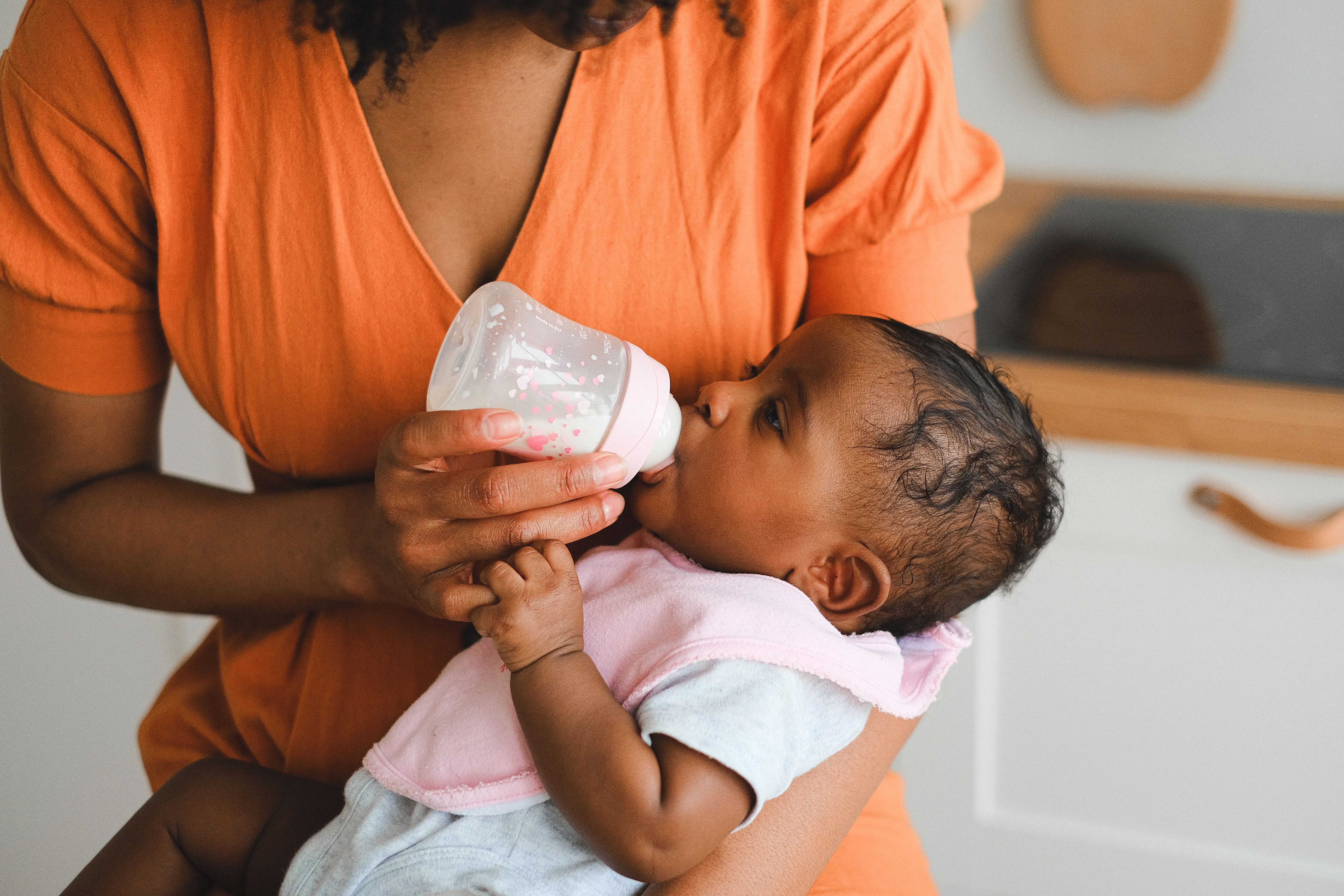
Feeding bottles hold milk for infants, and teats are the mouthpieces through which infants drink. The market in Italy includes complete bottles and separately sold teats. Istat counted 355,772 resident births in 2025, down 3.8% from 2024. Births indicate the size of the incoming infant cohort, while brand catalogues show how sellers differentiate bottle capacity, materials and teat flow.
355,772
Resident births in Italy in 2025 (Istat)1
−3.8%
Change in resident births in Italy from 2024 to 2025 (Istat)1
32%
Share of in-hospital newborn feeding supplementation cases that included bottle use in Trento province, Italy, in 20242
€9.99
Chicco’s Italy online price for a Physio silicone teat listing, checked 14 November 20263
What the teats and feeding bottles market covers in Italy
In November 2026, Chicco’s Italy catalogue showed two product groups within the teats and feeding bottles market, complete bottles and separately listed silicone teats. Philips Avent’s Italy catalogue illustrates how the parts fit into the offer with a glass bottle supplied with a medium-flow teat.34
Birth trends and demand for teats and feeding bottles in Italy
The incoming infant cohort for teats and feeding bottles in Italy shrank in 2025, when the Italian National Institute of Statistics (Istat) counted 355,772 resident births, down 3.8% from 2024. Provisional resident births in January–July 2026 totalled 196,864, down 1.1% from 198,975 in the same months of 2025. These counts track the number of new infants and leave spending per child unmeasured.1
2025 198975 births • 2026 (provisional) 196864 births
Italian National Institute of Statistics (Istat)1
Infant feeding patterns and the market for teats and feeding bottles in Italy
In the 2025 survey round, the Italian National Institute of Health (ISS) found exclusive breastfeeding rates of 48.2% at ages 2–3 months and 39.3% at ages 4–5 months across Italy’s participating regions and autonomous provinces, which excluded Tuscany. The survey describes feeding practices relevant to the market for teats and feeding bottles in Italy.56
Hospital use of feeding bottles in Trento, Italy
Feeding bottles were used at least once in 32% of in-hospital newborn feeding supplementation cases in Trento province, Italy, in 2024, according to the provincial health authority’s report. The figure covers supplementation during the hospital stay.2
Brands and product choices for teats and feeding bottles in Italy
Online prices for teats and feeding bottles in Italy
In November 2026, Chicco’s online catalogue in Italy listed a Physio silicone teat at €9.99 and a 150 ml slow-flow Perfect 5 feeding bottle at €13.99. The 240 ml medium-flow Perfect 5 bottle was listed at €14.99.3
Safety standard for feeding bottles and teats in Italy
The Italian Standards Body (UNI) lists UNI EN 14350:2023, effective from 28 September 2023, as a safety standard for drinking equipment for children from birth to 48 months in Italy. For products in this category, including infant feeding bottles, the published scope covers materials, construction, performance, packaging and product information.7
Teats and feeding bottles in Italy FAQ
How big is the baby bottle and teat market in Italy?
A national sales total for teats and feeding bottles in Italy could not be verified from the public sources reviewed. Istat’s 355,772 resident births in 2025 measure the annual inflow of potential users.123456
How much do feeding bottles and teats cost in Italy?
In Italy, Chicco’s online catalogue checked in November 2026 listed a 150 ml Perfect 5 feeding bottle at €13.99 and a separately sold Physio silicone teat at €9.99.3
Which brands sell baby bottles and teats in Italy?
Examples of brands offering feeding bottles and teats in Italy include Chicco, with its Perfect 5 and Physio products, and Philips Avent, with its Natural Response range.34
What safety standard covers feeding bottles in Italy?
UNI EN 14350:2023 is the drinking-equipment safety standard listed by the Italian Standards Body for children up to 48 months in Italy, a product category that includes infant feeding bottles.7
Sources and approach
This briefing uses only public publications. Statistics and announcements are dated; company offers are identified as such. Sources accessed on November 14, 2026.
- 01Italian National Institute of Statistics (Istat)Natalità e fecondità della popolazione residente – Anno 2025Published 21 October 2026. Annual resident births and provisional January–July 2026 resident births in Italy.
- 02Azienda Provinciale per i Servizi Sanitari di TrentoL’assistenza in gravidanza, al parto ed al neonato in provincia di Trento – Anno 2024September 2025 report on 2024 provincial maternity and newborn care. See PDF page 87 for bottle use in supplementation.
- 03ChiccoProdotti Perfect 5Italy online catalogue, checked 14 November 2026. Product sizes, flow variants and displayed prices.
- 04PhilipsAvent Natural Response glass feeding bottle SCY933/01Italy product page, checked 14 November 2026. Glass bottle capacity and supplied teat.
- 05Italian National Institute of Health (ISS)Indagine 2025 – AllattamentoExclusive breastfeeding by age group in the 2025 survey round.
- 06Italian National Institute of Health (ISS)Indagine 2025Survey recruitment and geographic coverage, July 2025 to January 2026.
- 07Italian Standards Body (UNI)UNI EN 14350:2023 – Drinking equipmentCatalogue entry on the standard’s scope and effective date of 28 September 2023.
Something to correct? Contact Businesscoot and specify the passage and its source.