Italian market
The hair care market in Italy
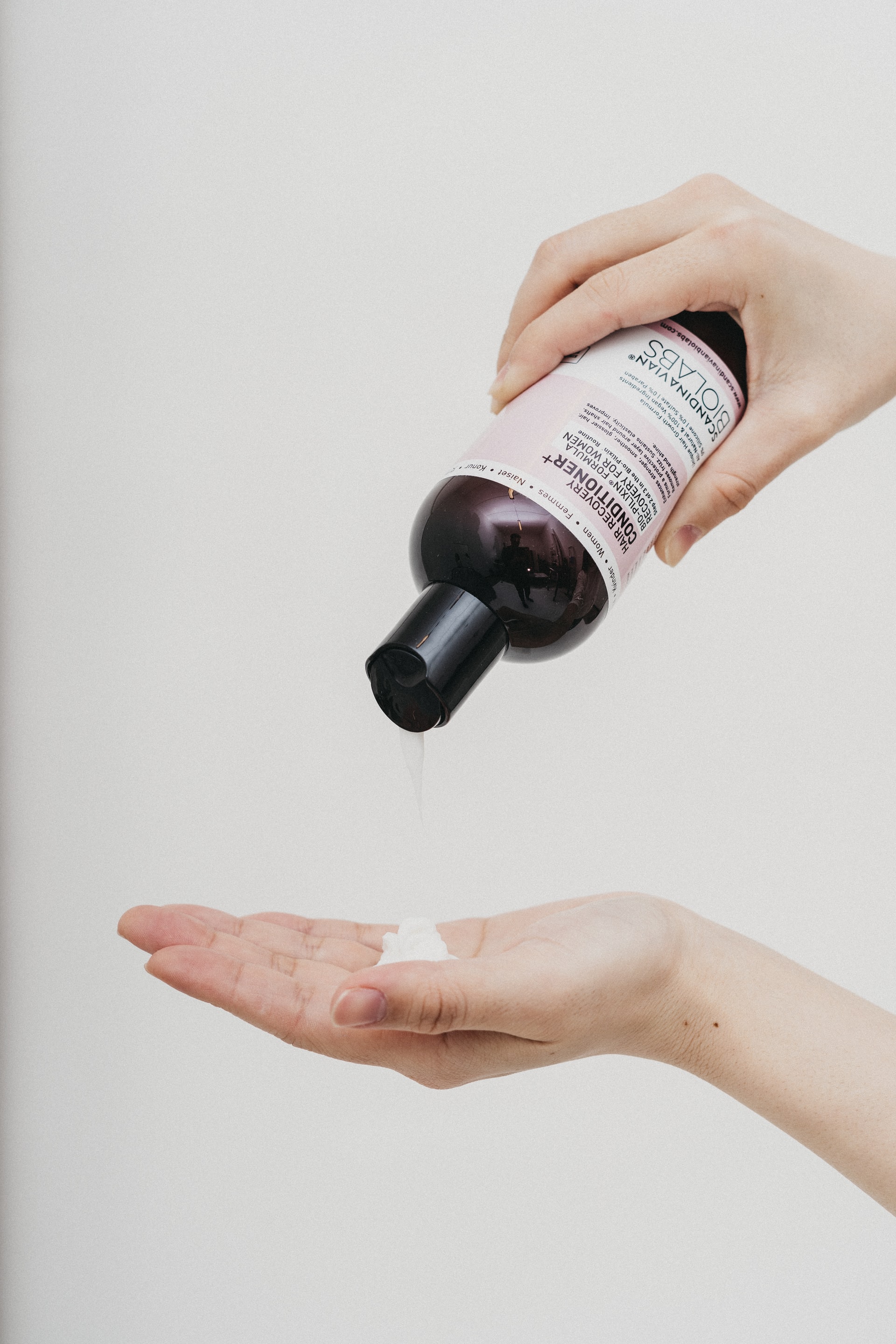
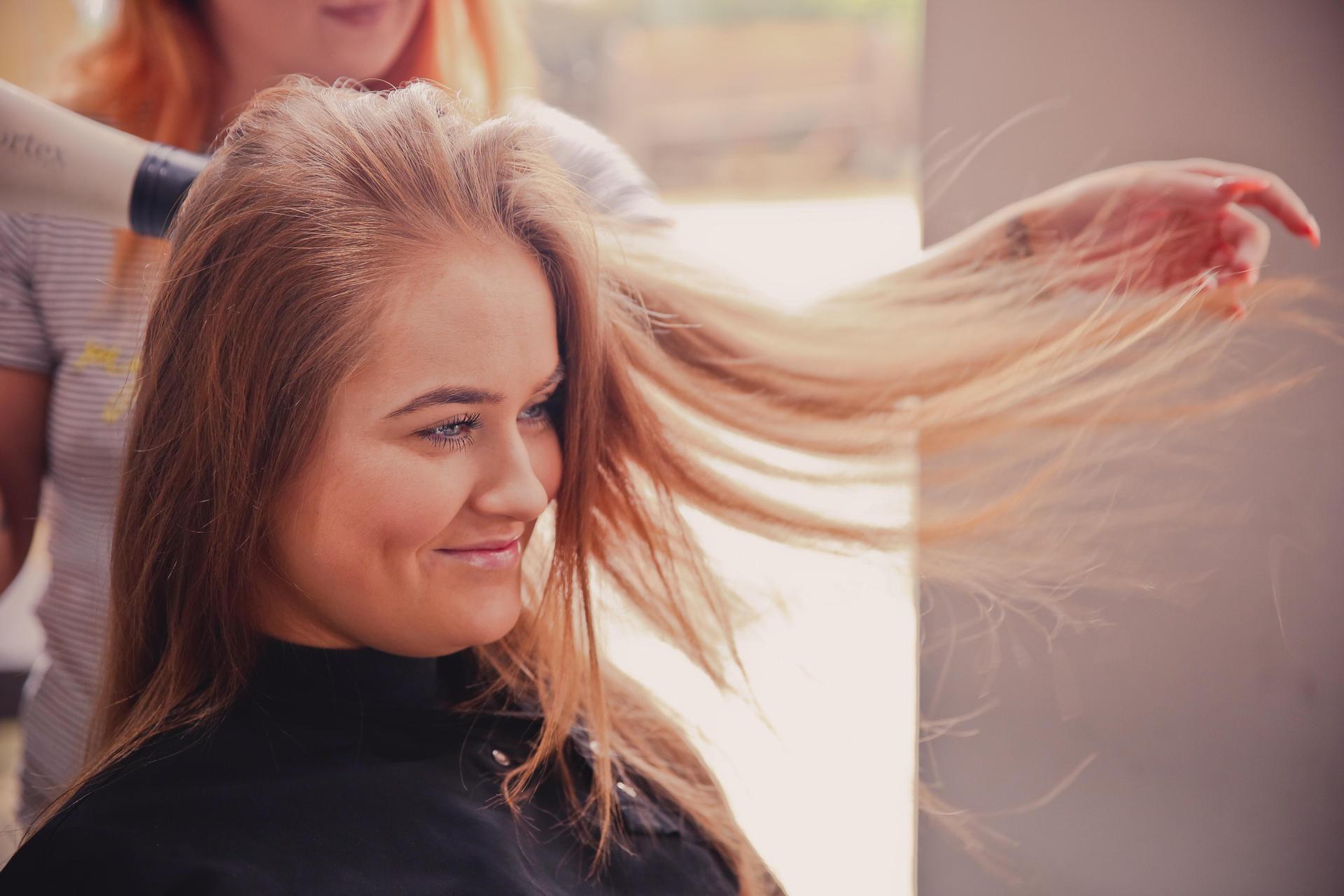
Hair care products include all products that soothe, wash and care for the scalp. They include shampoos, conditioners, masks and oils, gels, lacquers, mousses or colorations. It is more globally part of the hair care market, which includes the category of hair accessories.

- Price
- €99 excl. VAT
- Written by industry experts
- Data unavailable to general-purpose AI
- Press sources
Intelligent search
Sectoria
Explore the Businesscoot corpus to take your study further.



The Businesscoot team
A question about this study?Market overview
Identify industry dynamics, opportunities and market participants to inform your project.
- Understand the market scope
- Identify demand drivers
- Understand market participants and their challenges
Hair care products include all products that soothe, wash and care for the scalp. They include shampoos, conditioners, masks and oils, gels, lacquers, mousses or colorations. It is more globally part of the hair care market, which includes the category of hair accessories.
The hair care market is very competitive, and there is a constant effort in R&D to develop niche products or to reduce the environmental impact of the products created. Although the global industry is dominated by the United States, China is the second largest and its growth could lead the Asian region to become one of the major hair care markets. The rise of e-commerce, as well as a growing middle class, will fuel growth in this region in the coming years.
In Italy, the ultra-competitive sector has seen its market evolve over the past 10 years, whether in terms of value, volume or supply with the emergence of many new products. While the price war has decreased the average price of products by 8.5% between 2008 and 2017, the number of products sold is constantly increasing. At the same time, there is a growing demand for premium products. Large groups such as L'Oreal, Procter & Gamble and Unilever have the largest market share.
The Coronavirus crisis has strongly impacted the hair care market in Italy. First of all, the closure of hairdressing salons and retail stores has caused a drop in sales of various products, but on the other hand has largely contributed to the growth of e-commerce. The social isolation caused by the health crisis has also strongly changed consumer habits. While the pandemic has increased the amount of time people spend on personal care, new needs have emerged, such as the trend towards organic products which represent a growing share of the market. Finally, in order to contrast with the current hyper-specialization of products, hybrid products could emerge to reconcile care and style.
Study contents
Chapters connecting customer needs, advisory services and the economics of industry professionals.
- Understand customers and uses
- Connect products, businesses and distribution channels
- Compare market participants and their models
Market overview
Demand Analysis
Market structure
Analysis of the offer
Regulation
Positioning of the players
Our expertise
Sources to support your analysis
Base your analysis on identified sources, with clear dates and definitions for each figure.
- Understand the scope of the data
- Find the cited publications
- Compare perspectives on the market
Produced by experts — Analysis backed by 35 years of experience in professional information. Our experts select sources, cross-check data and explain the issues shaping your market.
Beyond AI — Professional sources and expert analysis that go beyond ChatGPT or Claude answers based solely on the public web.
IndexPresse press database — Professional press articles covering market news, business strategies and industry developments. All articles are .
Open-access databases — Freely accessible data and publications to enrich the analysis and cross-check the information available on each market.
Official statistics databases — Economic and demographic indicators published by statistical agencies to measure trends and compare markets.
Specialist industry databases — Specialist data and reports to deepen your understanding of the players, segments and dynamics of each industry.


















Trusted by professionals
Professionals share their experience of the clarity and usefulness of our studies and the Businesscoot service.
- Clear, structured analysis
- Insights for business projects
- Responsive customer service
As a business valuation expert, I need reliable strategic analysis of potential targets in their industries. For several years, I have relied on Businesscoot's industry analysis, where expertise and relevant data are essential.

David Jeanne
Managing director •
I am very satisfied with Businesscoot's market studies. The information is clear and well structured, making it easy to understand an industry's trends and key figures. Their catalogue is extensive and varied, and customer service is responsive. I recommend Businesscoot for reliable, accessible analysis.

Time Albouy
Business development expert •
Our team of industry experts
Talk to our team to check that the study's subject and scope match your project.
- Check the market scope
- Choose the right study for your project
- Ask a question before ordering
Guilhem Cournut
Food, retail and consumer goods
Denis Monnoyeur
Industry, energy and construction
Marie-Annick Cournède
Health, beauty and personal services

Arthur Lefeuvre
Digital, media and telecommunications
Related studies
Explore complementary studies to broaden your analysis.
- Explore related markets
- Compare market dynamics
- Refine your project
The hair care market in Spain
Hair care includes a range of products (shampoos, but also conditioners, mousses, colorings, soothing treatments, masks, oils, etc.) that aim to take care of the scalp of individuals. This market research also includes accessories that are used to maintain the hair (hair dryers, dyes, etc.).
The hair care market in France
Hair care covers all products designed to soothe, cleanse and care for the scalp and hair.
The market of hygiene and care for children in Italy
The child hygiene market can be defined as all products intended for the hygiene of children aged 3 to 12 years. While parents are entirely responsible for the hygiene of infants and toddlers, it is important that children gradually take responsibility for their own hygiene,