Italian market
The building insulation market in Italy
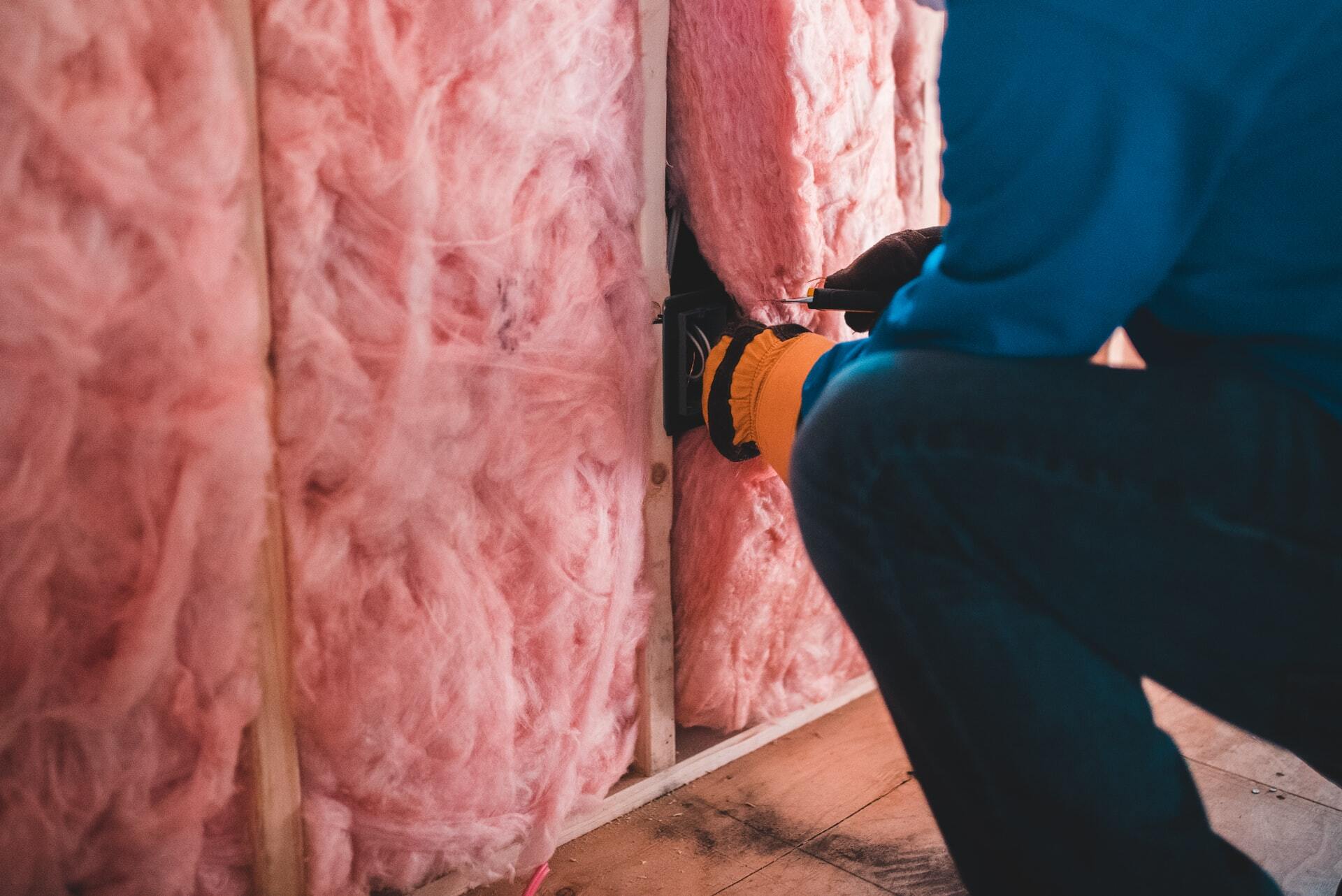
Insulators are a diverse group of materials that vary in insulation quality. Insulating materials used in construction form a large and diverse family of products. These products can be classified into 6 main groups
- Price
- €99 excl. VAT
- Written by industry experts
- Data unavailable to general-purpose AI
- Press sources
Intelligent search
Sectoria
Explore the Businesscoot corpus to take your study further.



The Businesscoot team
A question about this study?Market overview
Identify industry dynamics, opportunities and market participants to inform your project.
- Understand the market scope
- Identify demand drivers
- Understand market participants and their challenges
Insulators are a diverse group of materials that vary in insulation quality. Insulating materials used in construction form a large and diverse family of products. These products can be classified into 6 main groups
Mineral wool insulation Glass wool, rock wool and cellular glass;
Void Ins ulator This is a new generation of insulation with good thermal performance and low thickness. This saves valuable inches. They are dedicated to insulation from the inside;
Plant wool insulation Cork, plant fiber, wood fiber, hemp, wood wool, cotton wool, linen wool or cellulose wadding
Animal wool insulation Duck feathers or sheep wool;
Thin insulation : PMR, etc. Consisting of one or more layers of aluminum foil or aluminized plastic films, thin reflective products include intermediate layers of different types: flexible foam, animal, vegetable or synthetic felt, bubble polyethylene, etc.; the number and nature of overlapping layers vary according to their stated thermal performance;
Polystyrene (EPS, XPS and PUR) Organic insulation : this is expanded polystyrene, extruded polystyrene, etc. [ Energy Plus and Calculus ]
In 2023 the world market for thermal insulation of buildings reached a total value of 31.12 billion dollars. Modest growth in the industry is expected in the near future. For the period 2024-2032 a compound annual growth rate is estimated (CAGR) of 5.1 percent, under which the market could reach a value of 48.69 billion dollars. As for the European context, in 2022 the building thermal insulation market is estimated at $15.19 billion. Again, growth is expected. For the period 2023-2028, a compound annual growth rate (CAGR) is estimated to be the same as that estimated for the world market (5.1%) with the market reaching a total value of more than $20 billion at the end of the period.
This study focuses on the specific building insulation market in Italy, analyzing consumption trends, competitive dynamics and growth prospects for the sector. For information on related markets, see the specific studies available in the Businesscoot catalog.
Study contents
Chapters connecting customer needs, advisory services and the economics of industry professionals.
- Understand customers and uses
- Connect products, businesses and distribution channels
- Compare market participants and their models
Market Overview
Demand analysis
Market structure
Supply analysis
Regulations
Positioning of actors
Our expertise
Sources to support your analysis
Base your analysis on identified sources, with clear dates and definitions for each figure.
- Understand the scope of the data
- Find the cited publications
- Compare perspectives on the market
Produced by experts — Analysis backed by 35 years of experience in professional information. Our experts select sources, cross-check data and explain the issues shaping your market.
Beyond AI — Professional sources and expert analysis that go beyond ChatGPT or Claude answers based solely on the public web.
IndexPresse press database — Professional press articles covering market news, business strategies and industry developments. All articles are .
Open-access databases — Freely accessible data and publications to enrich the analysis and cross-check the information available on each market.
Official statistics databases — Economic and demographic indicators published by statistical agencies to measure trends and compare markets.
Specialist industry databases — Specialist data and reports to deepen your understanding of the players, segments and dynamics of each industry.






















Trusted by professionals
Professionals share their experience of the clarity and usefulness of our studies and the Businesscoot service.
- Clear, structured analysis
- Insights for business projects
- Responsive customer service
As a business valuation expert, I need reliable strategic analysis of potential targets in their industries. For several years, I have relied on Businesscoot's industry analysis, where expertise and relevant data are essential.

David Jeanne
Managing director •
I am very satisfied with Businesscoot's market studies. The information is clear and well structured, making it easy to understand an industry's trends and key figures. Their catalogue is extensive and varied, and customer service is responsive. I recommend Businesscoot for reliable, accessible analysis.

Time Albouy
Business development expert •
Our team of industry experts
Talk to our team to check that the study's subject and scope match your project.
- Check the market scope
- Choose the right study for your project
- Ask a question before ordering
Guilhem Cournut
Food, retail and consumer goods
Denis Monnoyeur
Industry, energy and construction
Marie-Annick Cournède
Health, beauty and personal services

Arthur Lefeuvre
Digital, media and telecommunications
Related studies
Explore complementary studies to broaden your analysis.
- Explore related markets
- Compare market dynamics
- Refine your project
The building insulation market in Spain
Insulation brings together all the techniques that share the dual aim of:
The building insulation market in France
Insulation is a set of techniques with a dual purpose:
The building materials market in Italy
The construction materials market includes the production, distribution and use of all materials used in the construction, renovation and maintenance of buildings and infrastructure. This category includes structural materials (such as concrete, steel, and bricks), finishing materials (paints, plasters, tiles), thermal and acoustic insulation, lumber,