Brazilian market
The food salt market in Brazil
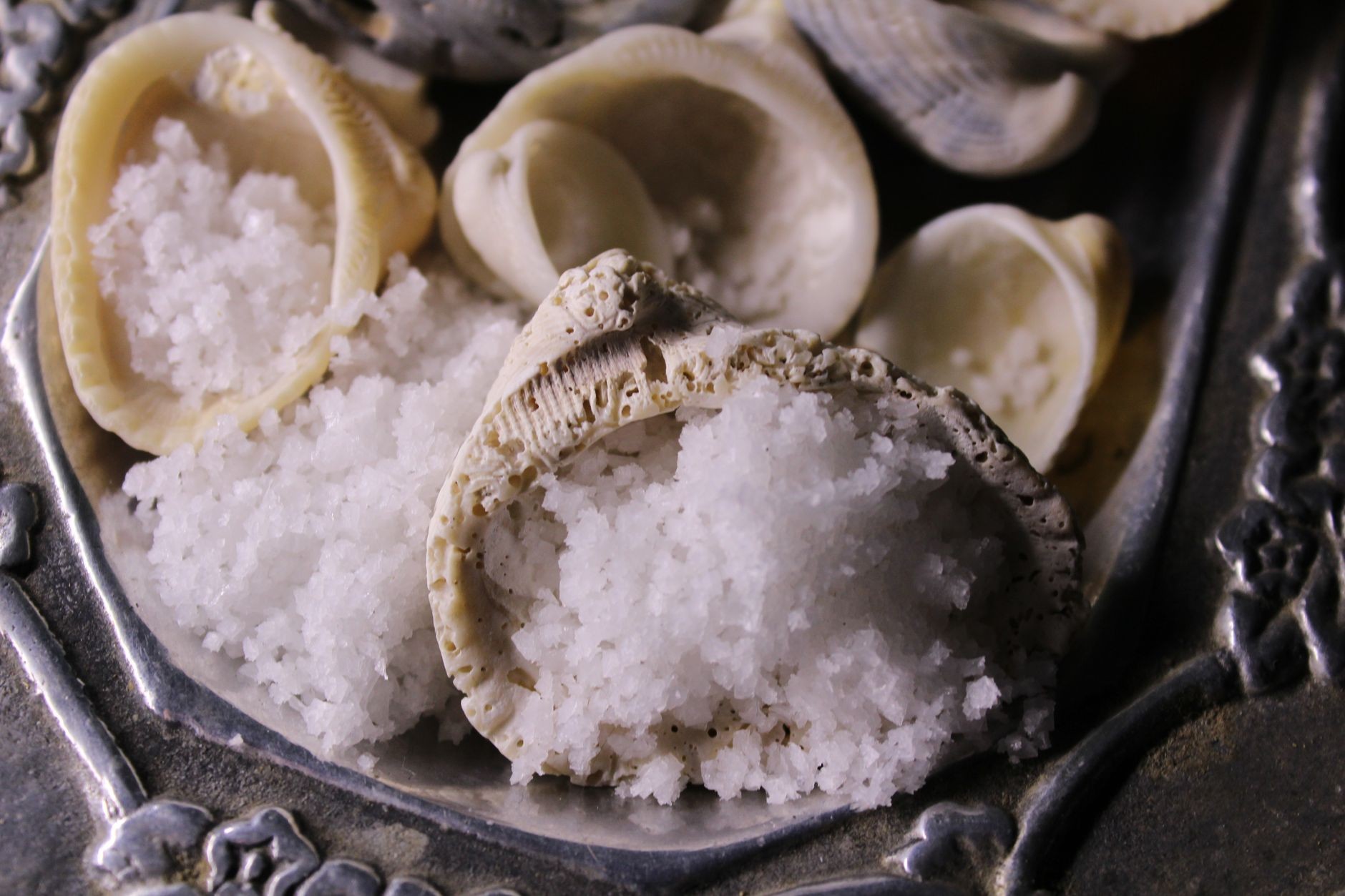
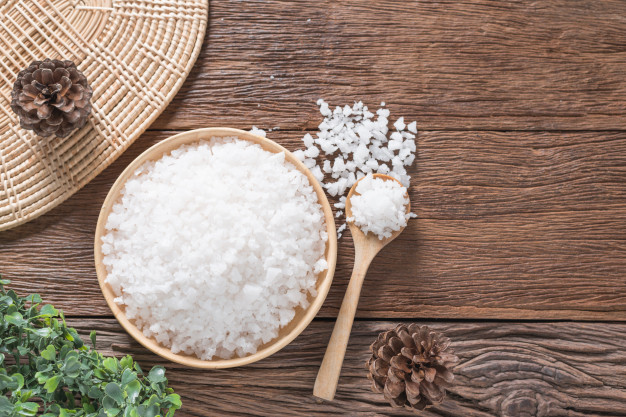
The food salt market is structured around two main segments: salt for the private sector (table salt, kitchen salt) and salt for the food industry (basic raw material). Used as a preservative, food salt provides the human body with two essential nutrients :
- Price
- €99 excl. VAT
- Written by industry experts
- Data unavailable to general-purpose AI
- Press sources
Intelligent search
Sectoria
Explore the Businesscoot corpus to take your study further.



The Businesscoot team
A question about this study?Market overview
Identify industry dynamics, opportunities and market participants to inform your project.
- Understand the market scope
- Identify demand drivers
- Understand market participants and their challenges
The food salt market is structured around two main segments: salt for the private sector (table salt, kitchen salt) and salt for the food industry (basic raw material). Used as a preservative, food salt provides the human body with two essential nutrients :
Chloride, an important energizer
Sodium, important for the hydromineral balance of cells and the body
This essential condiment combines the aromas of sodium ions and chloride to give a characteristic salty taste to the food it accompanies or into which it is incorporated. Although moderate amounts of salt are essential for health, excessive amounts of salt can be harmful. In the two markets mentioned above - B2B and B2C - salt producers have seen their production volume decline over the last decade, driven by fierce foreign competition in a context of food and health communication campaigns.
Brazilians are big salt consumers, exceeding almost twice the maximum limit recommended by the World Health Organization (WHO), which is five grams per day. The national average is 9.3 grams. Even so, about 48.6% of Brazilians evaluate their daily consumption of salt as moderate according to data compiled by the Brazilian Institute of Geography and Statistics (IBGE). Despite its consumption throughout the country, Brazilian food salt has 95% of its production concentrated on the White Coast, located in Rio Grande do Norte. After centuries of salt extraction activity in Brazil, businessmen in the industry realized the enormous potential of the White Coast: with a warm and dry semi-arid climate, with high evaporation factor. As a consequence, several resources were invested for the modernization of the activity, making the region the main production pole in the country.
Study contents
Chapters connecting customer needs, advisory services and the economics of industry professionals.
- Understand customers and uses
- Connect products, businesses and distribution channels
- Compare market participants and their models
Market overview
Demand Analysis
Market structure
Analysis of the offer
Regulation
Positioning of the players
Our expertise
Sources to support your analysis
Base your analysis on identified sources, with clear dates and definitions for each figure.
- Understand the scope of the data
- Find the cited publications
- Compare perspectives on the market
Produced by experts — Analysis backed by 35 years of experience in professional information. Our experts select sources, cross-check data and explain the issues shaping your market.
Beyond AI — Professional sources and expert analysis that go beyond ChatGPT or Claude answers based solely on the public web.
IndexPresse press database — Professional press articles covering market news, business strategies and industry developments. All articles are .
Open-access databases — Freely accessible data and publications to enrich the analysis and cross-check the information available on each market.
Official statistics databases — Economic and demographic indicators published by statistical agencies to measure trends and compare markets.
Specialist industry databases — Specialist data and reports to deepen your understanding of the players, segments and dynamics of each industry.
















Trusted by professionals
Professionals share their experience of the clarity and usefulness of our studies and the Businesscoot service.
- Clear, structured analysis
- Insights for business projects
- Responsive customer service
As a business valuation expert, I need reliable strategic analysis of potential targets in their industries. For several years, I have relied on Businesscoot's industry analysis, where expertise and relevant data are essential.

David Jeanne
Managing director •
I am very satisfied with Businesscoot's market studies. The information is clear and well structured, making it easy to understand an industry's trends and key figures. Their catalogue is extensive and varied, and customer service is responsive. I recommend Businesscoot for reliable, accessible analysis.

Time Albouy
Business development expert •
Our team of industry experts
Talk to our team to check that the study's subject and scope match your project.
- Check the market scope
- Choose the right study for your project
- Ask a question before ordering
Guilhem Cournut
Food, retail and consumer goods
Denis Monnoyeur
Industry, energy and construction
Marie-Annick Cournède
Health, beauty and personal services

Arthur Lefeuvre
Digital, media and telecommunications
Related studies
Explore complementary studies to broaden your analysis.
- Explore related markets
- Compare market dynamics
- Refine your project
The food salt market in France
In France, the market for food salts is divided into two main segments: those for the particular (table salt, cooking salt) and those for the food industry (basic raw material)
The food salt market in Italy
The food salt market encompasses the production, distribution and marketing of different types of salt for human consumption, with uses ranging from the food industry to catering and household consumption. Salt, composed mainly of sodium chloride, is a key ingredient in preserving and enhancing the
The frozen food market in Brazil
Deep-frozen is a food preservation technique that consists of rapidly cooling food at low temperatures. The technique gave its name to frozen foods, a term used to refer to the set of foods that are preserved by this method. Frozen foods are therefore a sub-segment