French market
The maize market in France
The maize market in France covers economic activity relating to maize production and sales in France. Maize is a tropical herbaceous plant widely grown as a cereal for its grain, which is rich in starch (approximately 70%), protein (10%) and fat (5%), and also as a forage crop. There are several types of maize:
- Study last updated
- Price
- €99 excl. VAT
- Written by industry experts
- Data unavailable to general-purpose AI
- Press sources
Intelligent search
Sectoria
Explore the Businesscoot corpus to take your study further.



The Businesscoot team
A question about this study?Market overview
Identify industry dynamics, opportunities and market participants to inform your project.
- Understand the market scope
- Identify demand drivers
- Understand market participants and their challenges
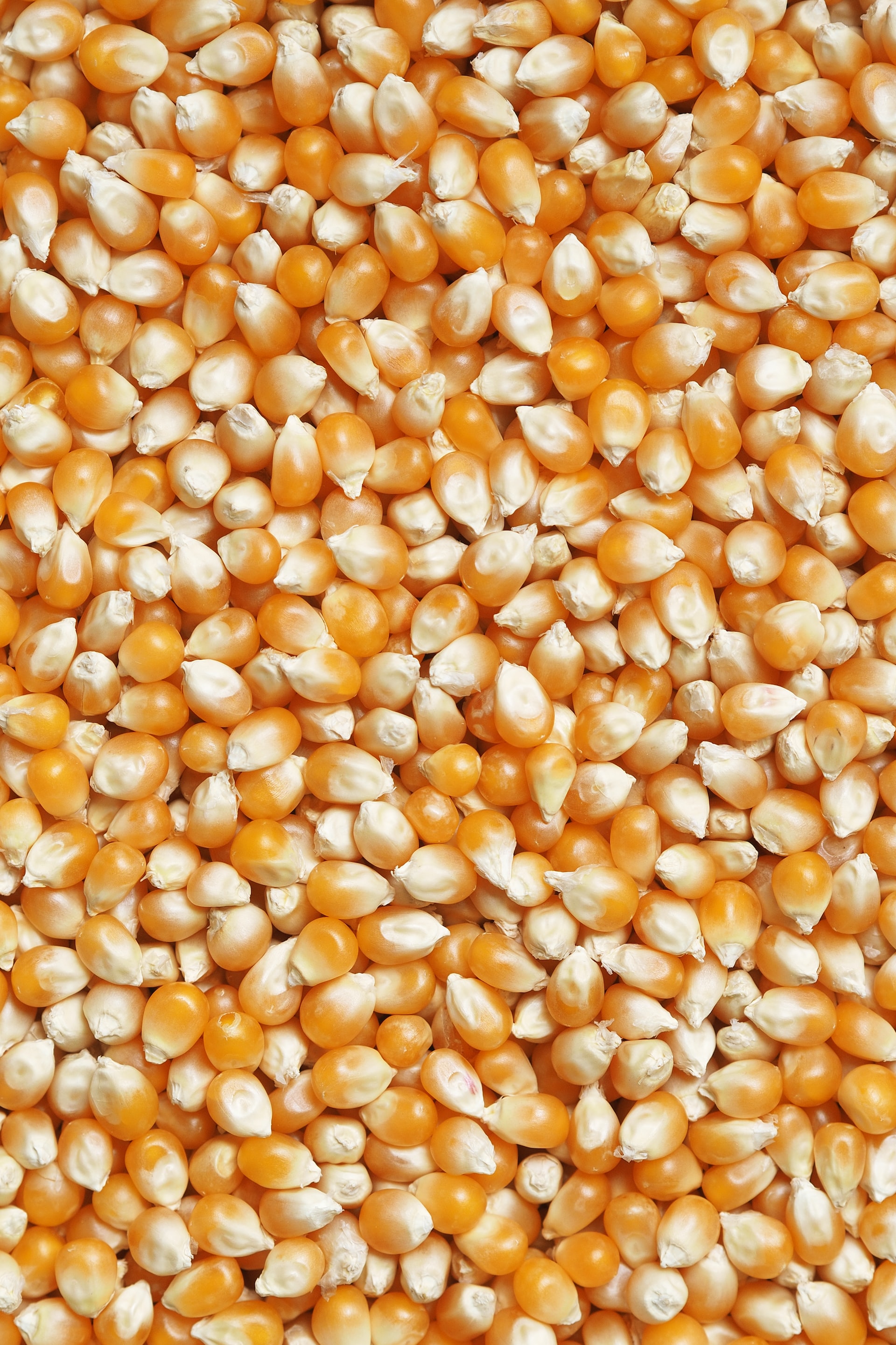
The maize market in France covers economic activity relating to maize production and sales in France. Maize is a tropical herbaceous plant widely grown as a cereal for its grain, which is rich in starch (approximately 70%), protein (10%) and fat (5%), and also as a forage crop. There are several types of maize:
Maize for animal feed: forage maize, high-moisture grain maize and dry grain maize;
Maize for human consumption: sweetcorn and popcorn maize.
The French maize market is substantial: France is a major European agricultural power and Europe's leading cereal producer. Maize production is central: it is France's second-largest cereal crop, after wheat and ahead of barley. Annual maize production in France exceeds 13 million tonnes and serves many uses, including:
Animal feed (poultry farming, pig and cattle farming, etc.);
Starch processing (toothpaste, cosmetics, pharmaceuticals, etc.);
Human consumption (popcorn, whisky, cornflour, oil, etc.);
Industry (glue, resin, paint, insulation, etc.);
Energy (biogas and bioethanol).
Beyond domestic uses, foreign trade plays an important role in the French maize market: in 2021, France exported almost USD 2 billion worth of maize. Its main customers were Spain, accounting for 21% of total French exports, followed by Germany (15%), the Netherlands (14%) and Belgium (11%). In the same year, it imported only slightly more than USD 340 million worth of maize.
The market includes many different participants, such as farmers, cooperatives, primary and secondary processors, and professional organisations such as AGPM (Association Générale des Producteurs de Maïs) and USM (Union de la Semoulerie de Maïs), grouped together within Maïz’Europ’.
The events involving Russia and Ukraine since February 2022 have affected the market, particularly through soaring prices for raw materials such as wheat, barley and maize. Exports from Ukraine, the world's fourth-largest maize exporter, are also blocked.
Study contents
Chapters connecting customer needs, advisory services and the economics of industry professionals.
- Understand customers and uses
- Connect products, businesses and distribution channels
- Compare market participants and their models
Market overview
Demand analysis
Market structure
Supply analysis
Regulations
Competitive positioning
Our expertise
Sources to support your analysis
Base your analysis on identified sources, with clear dates and definitions for each figure.
- Understand the scope of the data
- Find the cited publications
- Compare perspectives on the market
Produced by experts — Analysis backed by 35 years of experience in professional information. Our experts select sources, cross-check data and explain the issues shaping your market.
Beyond AI — Professional sources and expert analysis that go beyond ChatGPT or Claude answers based solely on the public web.
IndexPresse press database — Professional press articles covering market news, business strategies and industry developments. All articles are .
Open-access databases — Freely accessible data and publications to enrich the analysis and cross-check the information available on each market.
Official statistics databases — Economic and demographic indicators published by statistical agencies to measure trends and compare markets.
Specialist industry databases — Specialist data and reports to deepen your understanding of the players, segments and dynamics of each industry.






Trusted by professionals
Professionals share their experience of the clarity and usefulness of our studies and the Businesscoot service.
- Clear, structured analysis
- Insights for business projects
- Responsive customer service
As a business valuation expert, I need reliable strategic analysis of potential targets in their industries. For several years, I have relied on Businesscoot's industry analysis, where expertise and relevant data are essential.

David Jeanne
Managing director •
I am very satisfied with Businesscoot's market studies. The information is clear and well structured, making it easy to understand an industry's trends and key figures. Their catalogue is extensive and varied, and customer service is responsive. I recommend Businesscoot for reliable, accessible analysis.

Time Albouy
Business development expert •
Our team of industry experts
Talk to our team to check that the study's subject and scope match your project.
- Check the market scope
- Choose the right study for your project
- Ask a question before ordering
Guilhem Cournut
Food, retail and consumer goods
Denis Monnoyeur
Industry, energy and construction
Marie-Annick Cournède
Health, beauty and personal services

Arthur Lefeuvre
Digital, media and telecommunications
Related studies
Explore complementary studies to broaden your analysis.
- Explore related markets
- Compare market dynamics
- Refine your project
The fertilizer market in France
Modern agriculture relies on the use of fertilizers, which are essential to obtain acceptable yields and thus to pay farmers properly. Fertilizers fall into two categories: natural (or organic) fertilizers, which result from the decomposition of plant or animal matter, and chemical (or mineral) fertilizers,
The grain market in France
Cereals are all plants cultivated for their grains and used for human and animal consumption, as well as for industrial purposes. The world's main cereals are wheat, corn, rice, barley and oats.
The Hay Market in France
Hay is, according to laroussea dried forage, most often composed of alfalfa or timothy, intended for feeding herbivores. Drying mown grasses enables them to be kept longer, and therefore plays a role in feeding domestic herbivorous animals when grass is scarce in grazing areas (winter,