Brazilian market
The DIY market in Brazil
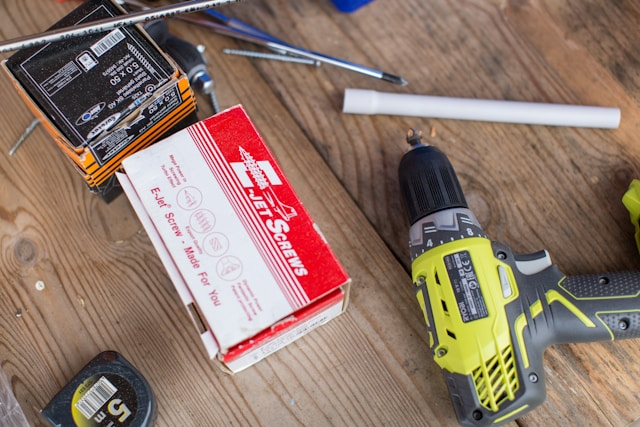
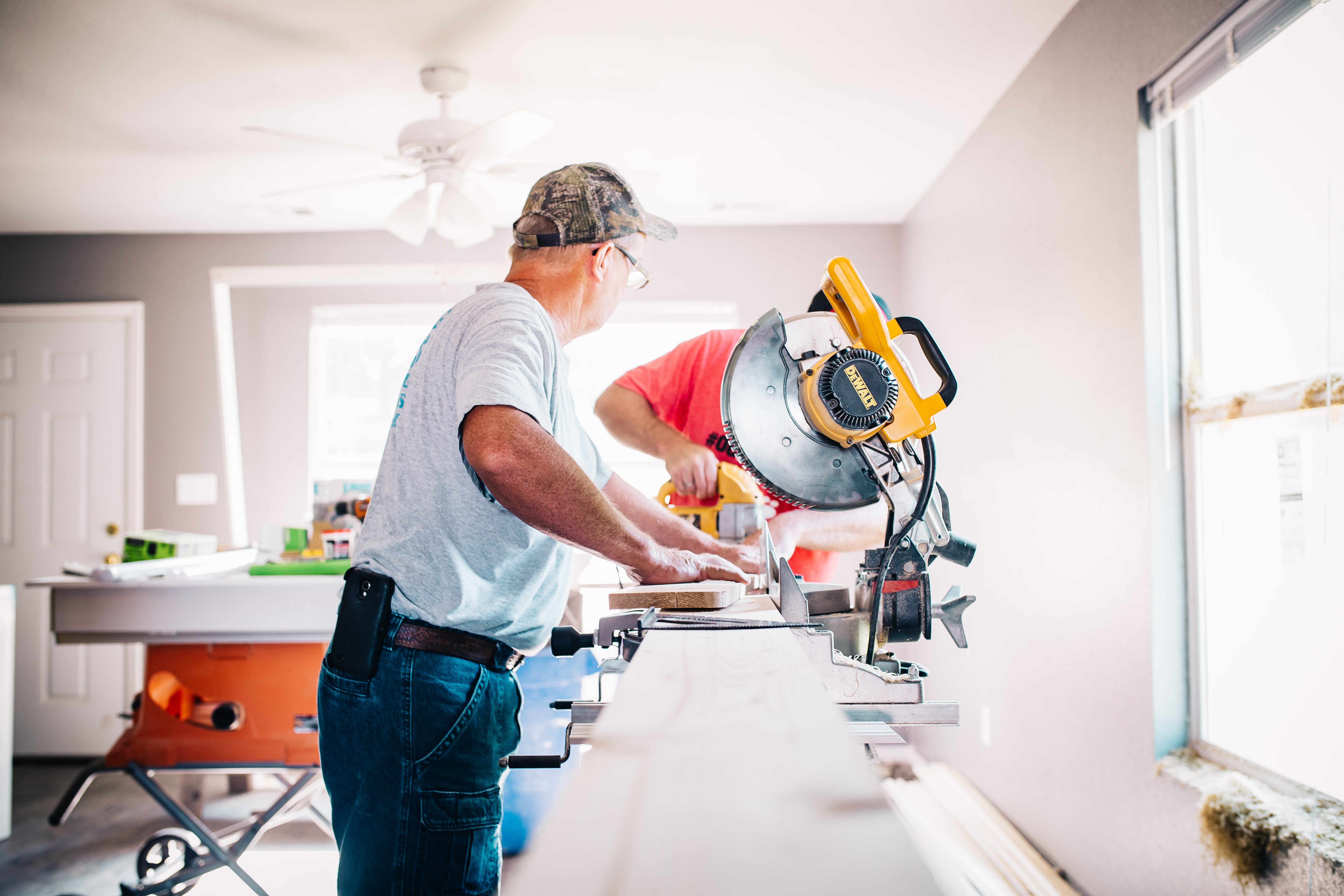
DIY refers to the manual and non-professional activities of repairing, creating, improving and maintaining small household items. This study focuses on the DIY market for the public and therefore excludes the BtoB activity of DIY stores and superstores.

- Price
- €99 excl. VAT
- Written by industry experts
- Data unavailable to general-purpose AI
- Press sources
Intelligent search
Sectoria
Explore the Businesscoot corpus to take your study further.



The Businesscoot team
A question about this study?Market overview
Identify industry dynamics, opportunities and market participants to inform your project.
- Understand the market scope
- Identify demand drivers
- Understand market participants and their challenges
DIY refers to the manual and non-professional activities of repairing, creating, improving and maintaining small household items. This study focuses on the DIY market for the public and therefore excludes the BtoB activity of DIY stores and superstores.
Therefore, the DIY market covers a wide variety of items. There are 11 main categories: construction, plumbing/sanitary, garden, paint/glue, wood/woodwork, coatings, tools, electrical, hardware, decoration and thermal comfort. On a global scale, however, the United States dominates, accounting for around half of the world market in terms of value. The global market is worth 848 billion euros in 2021 and has been growing steadily since 2013.
According to the Brazilian Institute of Geography and Statistics (IBGE), the DIY market in Brazil has grown significantly in recent years. By 2022, this sector will contribute around 20 million reais to the Brazilian economy, reflecting the growing importance of this market. This growth can be attributed to a number of factors, including consumer preference for home improvement projects, increased awareness of sustainability and the search for savings through repairs and renovations.
The COVID-19 pandemic has significantly impacted the DIY market in Brazil. With the temporary closure of physical stores, mobility restrictions and economic uncertainty, consumer behavior has been affected. During the lockdown, many consumers have turned to DIY as an alternative to maintaining and improving their homes.
In addition to the increased interest in DIY during the pandemic, a notable trend in the DIY market is the increased interest in ecological and sustainable products. This shift is driven by consumers' growing concern for eco-responsibility, resulting in a search for products that meet their needs but also have a reduced environmental impact.
Our expertise
Sources to support your analysis
Base your analysis on identified sources, with clear dates and definitions for each figure.
- Understand the scope of the data
- Find the cited publications
- Compare perspectives on the market
Produced by experts — Analysis backed by 35 years of experience in professional information. Our experts select sources, cross-check data and explain the issues shaping your market.
Beyond AI — Professional sources and expert analysis that go beyond ChatGPT or Claude answers based solely on the public web.
IndexPresse press database — Professional press articles covering market news, business strategies and industry developments. All articles are .
Open-access databases — Freely accessible data and publications to enrich the analysis and cross-check the information available on each market.
Official statistics databases — Economic and demographic indicators published by statistical agencies to measure trends and compare markets.
Specialist industry databases — Specialist data and reports to deepen your understanding of the players, segments and dynamics of each industry.
















Trusted by professionals
Professionals share their experience of the clarity and usefulness of our studies and the Businesscoot service.
- Clear, structured analysis
- Insights for business projects
- Responsive customer service
As a business valuation expert, I need reliable strategic analysis of potential targets in their industries. For several years, I have relied on Businesscoot's industry analysis, where expertise and relevant data are essential.

David Jeanne
Managing director •
I am very satisfied with Businesscoot's market studies. The information is clear and well structured, making it easy to understand an industry's trends and key figures. Their catalogue is extensive and varied, and customer service is responsive. I recommend Businesscoot for reliable, accessible analysis.

Time Albouy
Business development expert •
Our team of industry experts
Talk to our team to check that the study's subject and scope match your project.
- Check the market scope
- Choose the right study for your project
- Ask a question before ordering
Guilhem Cournut
Food, retail and consumer goods
Denis Monnoyeur
Industry, energy and construction
Marie-Annick Cournède
Health, beauty and personal services

Arthur Lefeuvre
Digital, media and telecommunications
Related studies
Explore complementary studies to broaden your analysis.
- Explore related markets
- Compare market dynamics
- Refine your project
The DIY market in Belgium
Do-it-yourself refers to non-professional manual activities, repair, creation, improvement and maintenance of small objects in the house. This study concentrates on the DIY market and therefore excludes the BtoB activity of retailers and DIY stores
The DIY market in France
DIY refers to all non-professional manual activities aimed at repairing, maintaining, fitting out or embellishing the home. This study focuses on the DIY market for the general public in France, excluding BtoB flows linked to retailers and specialized chains working with professionals.
The DIY market in Italy
The term do-it-yourself refers to nonprofessional manual activities, the repair, creation, improvement, and maintenance of small items in the home. This study focuses on the DIY market and therefore excludes the BtoB activity of retailers and DIY stores