French market
The appliance recycling market in France
In the quest for a sustainable, more environmentally-friendly society, the recycling of household appliances is becoming increasingly important.
- Study last updated
- Price
- €99 excl. VAT
- Written by industry experts
- Data unavailable to general-purpose AI
- Press sources
Intelligent search
Sectoria
Explore the Businesscoot corpus to take your study further.



The Businesscoot team
A question about this study?Market overview
Identify industry dynamics, opportunities and market participants to inform your project.
- Understand the market scope
- Identify demand drivers
- Understand market participants and their challenges
In the quest for a sustainable, more environmentally-friendly society, the recycling of household appliances is becoming increasingly important.
Household WEEE (Waste Electrical and Electronic Equipment) is what we call an "urban mine"urban minemine". The latter corresponds to the deposit resulting from household consumption, which is destined for the recovery of secondary raw materials.
The recycling of household appliances covers theentire value chain, from collection to depollution, and ends with the recovery of all equipment at the end of its life.
Despite the diversity of appliances on the market, we can structure our study as follows:
cold GEM(large household appliances): refrigerators, freezers, often difficult to depollute of greenhouse gases
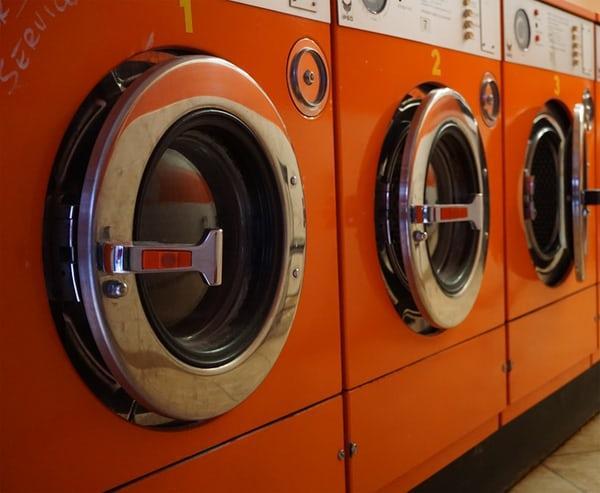
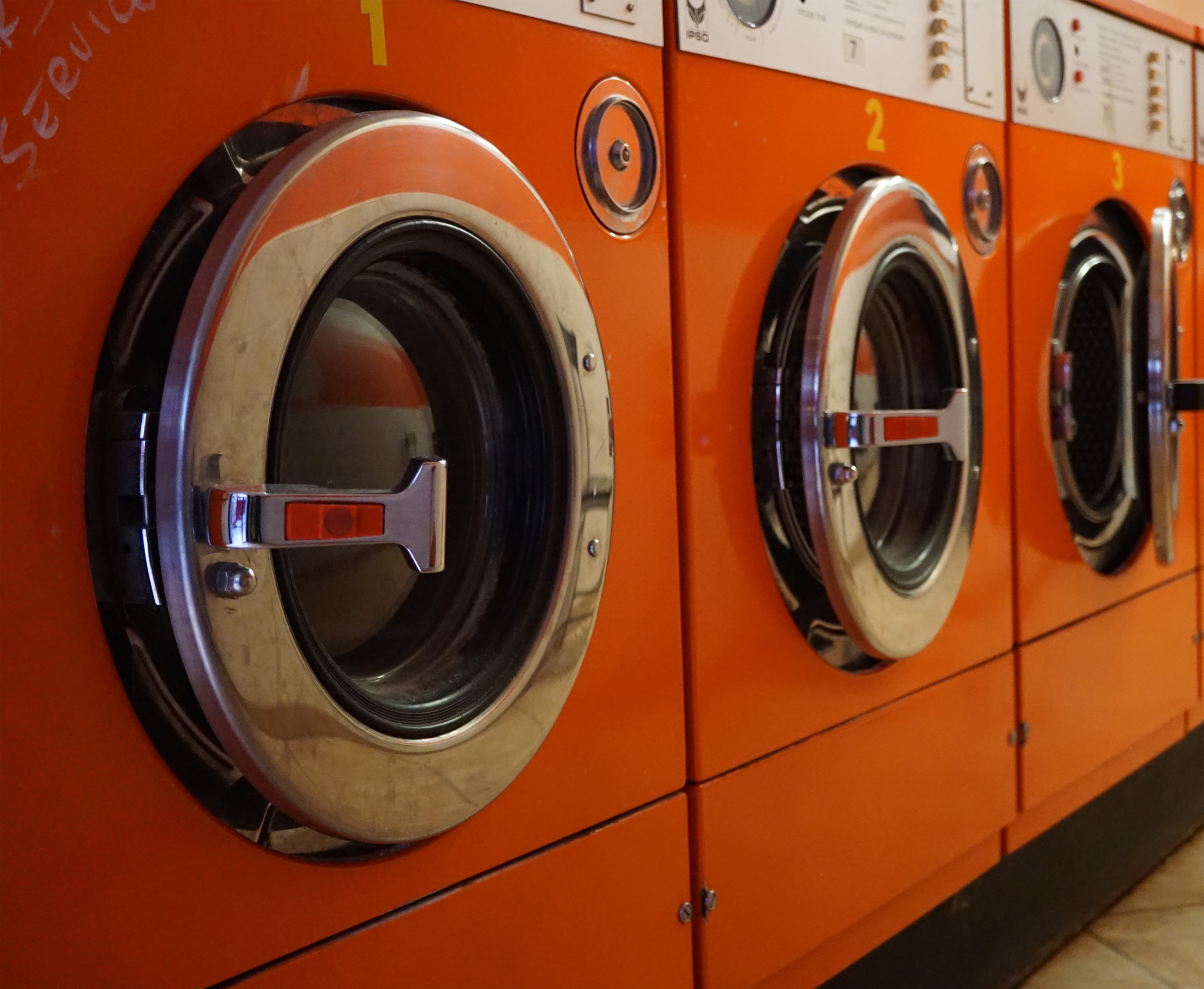
non-cold GEM: washing machines, ovens, dishwashers, where ferrous metals are difficult to recover.
small household appliances: hairdryers, vacuum cleaners, tools, toys, where the major challenge lies in capturing and sorting plastics.
These categories concentrate the greatest volumes and technical challenges.
Indeed, on a global scale, e-waste production has exploded to reach 62 million tonnes by 2022, according to Le Monde, an increase of 82% since 2010. Recycling is therefore a major challenge for our century.
In France, this market is driven by EPR (Extended Producer Responsibility), the aim of which is that any company that places products on the market is responsible for their environmental impact throughout their life cycle, from design to end-of-life.
The sector is organized around two pillars:
Eco-organizations (such as Ecosystem) and treatment manufacturers.
Social and Solidarity Economy (SSE) players focused on reuse.
Generally speaking, the market must rise to the challenge of recovering critical metals while integrating innovations such as AI to optimize industrial sorting.
Study contents
Chapters connecting customer needs, advisory services and the economics of industry professionals.
- Understand customers and uses
- Connect products, businesses and distribution channels
- Compare market participants and their models
Market overview
Demand analysis
Market structure
Offer analysis
Regulations
Positioning the players
Our expertise
Sources to support your analysis
Base your analysis on identified sources, with clear dates and definitions for each figure.
- Understand the scope of the data
- Find the cited publications
- Compare perspectives on the market
Produced by experts — Analysis backed by 35 years of experience in professional information. Our experts select sources, cross-check data and explain the issues shaping your market.
Beyond AI — Professional sources and expert analysis that go beyond ChatGPT or Claude answers based solely on the public web.
IndexPresse press database — Professional press articles covering market news, business strategies and industry developments. All articles are .
Open-access databases — Freely accessible data and publications to enrich the analysis and cross-check the information available on each market.
Official statistics databases — Economic and demographic indicators published by statistical agencies to measure trends and compare markets.
Specialist industry databases — Specialist data and reports to deepen your understanding of the players, segments and dynamics of each industry.
















Trusted by professionals
Professionals share their experience of the clarity and usefulness of our studies and the Businesscoot service.
- Clear, structured analysis
- Insights for business projects
- Responsive customer service
As a business valuation expert, I need reliable strategic analysis of potential targets in their industries. For several years, I have relied on Businesscoot's industry analysis, where expertise and relevant data are essential.

David Jeanne
Managing director •
I am very satisfied with Businesscoot's market studies. The information is clear and well structured, making it easy to understand an industry's trends and key figures. Their catalogue is extensive and varied, and customer service is responsive. I recommend Businesscoot for reliable, accessible analysis.

Time Albouy
Business development expert •
Our team of industry experts
Talk to our team to check that the study's subject and scope match your project.
- Check the market scope
- Choose the right study for your project
- Ask a question before ordering
Guilhem Cournut
Food, retail and consumer goods
Denis Monnoyeur
Industry, energy and construction
Marie-Annick Cournède
Health, beauty and personal services

Arthur Lefeuvre
Digital, media and telecommunications
Related studies
Explore complementary studies to broaden your analysis.
- Explore related markets
- Compare market dynamics
- Refine your project
The connected household appliances market in France
The connected household appliance market grew in France in 2018 despite reduced consumption by French households due to limited growth in purchasing power. In fact, it is the household appliance market as a whole that is growing in France, with growth of 1.1% and 0.8%
The household appliance repair and reconditioning market in France
L'électroménager regroupe tous les appareils dont l’objectif est de répondre à des besoins domestiques et dont la source d’alimentation est l'électricité. En général, l'électroménager est divisé en deux grandes sous catégories :
The large electrical appliance market in France
Household appliances include all appliances designed to meet domestic needs and powered by electricity. Large appliances, on the other hand, are those of significant size.