German market
The market for wheat in Germany
The wheat market is divided into several segments, which are distinguished by the different varieties. There are more than 30,000 varieties of wheat, but here are the main varieties found in the world market:
- Price
- €99 excl. VAT
- Written by industry experts
- Data unavailable to general-purpose AI
- Press sources
Intelligent search
Sectoria
Explore the Businesscoot corpus to take your study further.



The Businesscoot team
A question about this study?Market overview
Identify industry dynamics, opportunities and market participants to inform your project.
- Understand the market scope
- Identify demand drivers
- Understand market participants and their challenges
The wheat market is divided into several segments, which are distinguished by the different varieties. There are more than 30,000 varieties of wheat, but here are the main varieties found in the world market:
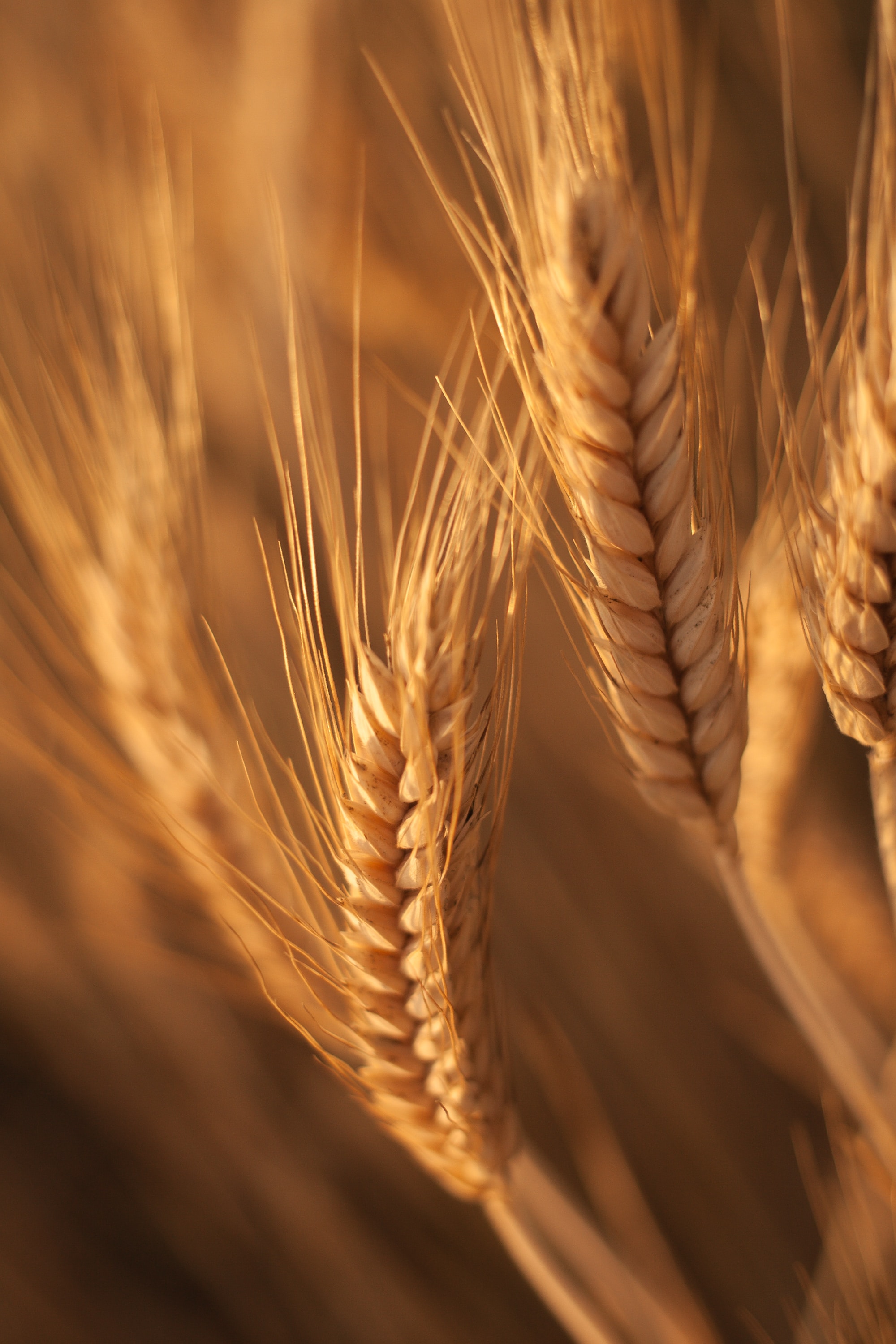
Common wheat (Triticum aestivum): The most widely grown variety in the world. It has a moderate gluten content.
Winter wheat (Triticum aestivum ssp. vulgare): Sown in the fall and harvested early the following summer. Hardy variety adapted to temperate and cold climates.
Durum wheat (Triticum durum): Wheat with firmer texture and high gluten content. It is more resistant to cooking and is therefore widely used in the food industry.
These varieties are used in a variety of applications, from making bread and pasta to feeding animals. Wheat is one of the first plants to be domesticated by humans.
Global wheat production was about 772 million tons in 2020 , with a compound annual growth rate (CAGR) of about 5% from 2022 to 2027. The major wheat producers are China, India, Russia, the United States , and some European countries. Soft wheat production is predominant in Europe and North America, while durum wheat tends to be grown in countries such as Italy, Turkey, and Canada.
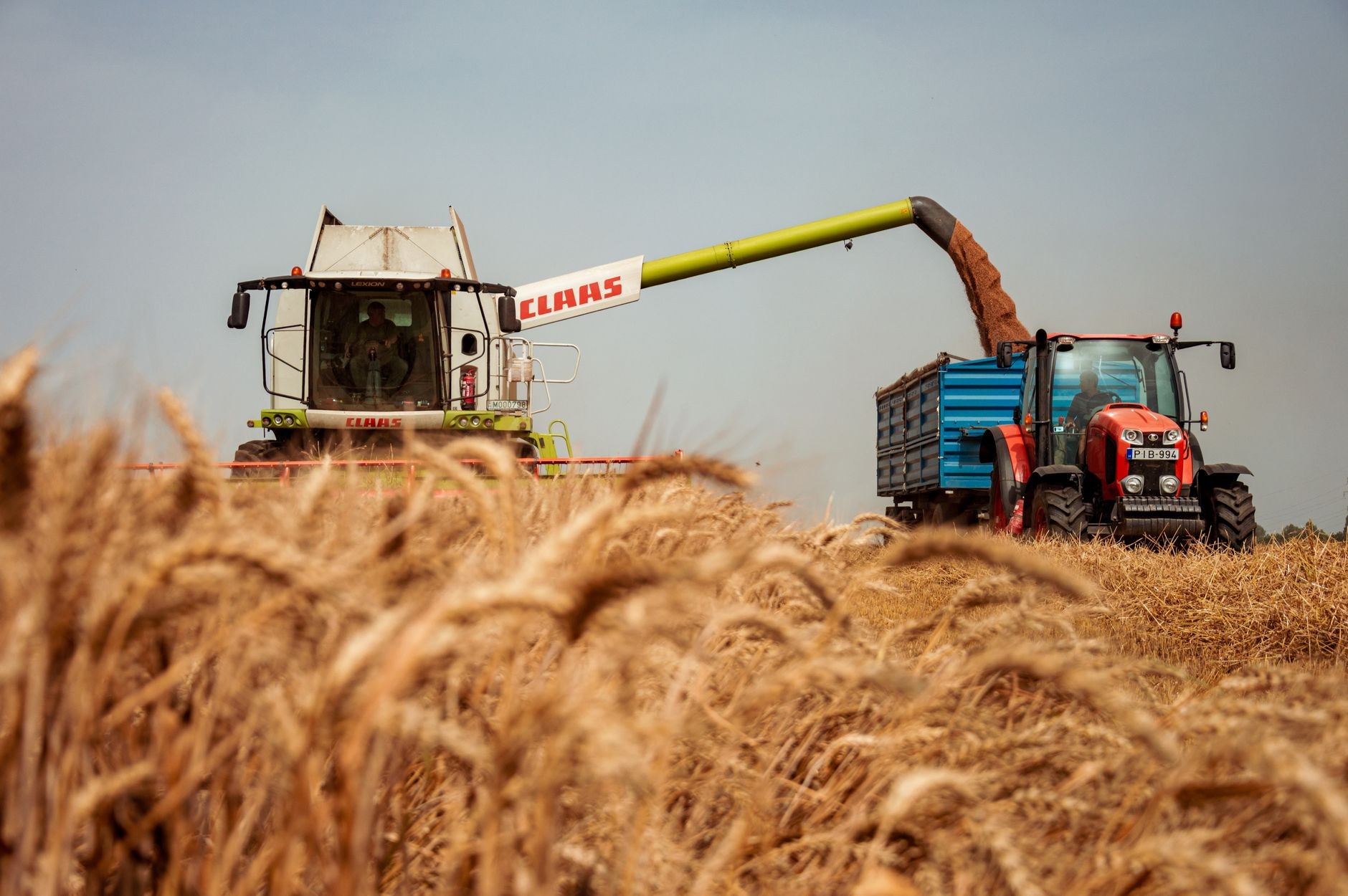
In Germany, the wheat market accounts for a significant share of the country's agriculture. Germany is the second largest European wheat producer after France. The strong wheat demand in Germany is mainly driven by the food industry and animal feed production. There is a growing demand for local (i.e., not imported or sourced from neighboring countries) and organic wheat.
The main companies in this market are established industry giants such as.BayWa AG, one of the market leaders in grain trading in Germany.
Germany is also one of the countries where food research is advanced. In this context, companies such asKWS SAAT SE & Co. KGaAspecializing in research and production of seeds successfully.
Another important type of company in this sector are mills such asGoodMills Germany GmbH.
In addition, digitalization in agriculture, such as remote sensing and large-scale data management tools, are changing the way wheat is produced and marketed in Germany, offering new opportunities for the various market players.
Our expertise
Sources to support your analysis
Base your analysis on identified sources, with clear dates and definitions for each figure.
- Understand the scope of the data
- Find the cited publications
- Compare perspectives on the market
Produced by experts — Analysis backed by 35 years of experience in professional information. Our experts select sources, cross-check data and explain the issues shaping your market.
Beyond AI — Professional sources and expert analysis that go beyond ChatGPT or Claude answers based solely on the public web.
IndexPresse press database — Professional press articles covering market news, business strategies and industry developments. All articles are .
Open-access databases — Freely accessible data and publications to enrich the analysis and cross-check the information available on each market.
Official statistics databases — Economic and demographic indicators published by statistical agencies to measure trends and compare markets.
Specialist industry databases — Specialist data and reports to deepen your understanding of the players, segments and dynamics of each industry.














Trusted by professionals
Professionals share their experience of the clarity and usefulness of our studies and the Businesscoot service.
- Clear, structured analysis
- Insights for business projects
- Responsive customer service
As a business valuation expert, I need reliable strategic analysis of potential targets in their industries. For several years, I have relied on Businesscoot's industry analysis, where expertise and relevant data are essential.

David Jeanne
Managing director •
I am very satisfied with Businesscoot's market studies. The information is clear and well structured, making it easy to understand an industry's trends and key figures. Their catalogue is extensive and varied, and customer service is responsive. I recommend Businesscoot for reliable, accessible analysis.

Time Albouy
Business development expert •
Our team of industry experts
Talk to our team to check that the study's subject and scope match your project.
- Check the market scope
- Choose the right study for your project
- Ask a question before ordering
Guilhem Cournut
Food, retail and consumer goods
Denis Monnoyeur
Industry, energy and construction
Marie-Annick Cournède
Health, beauty and personal services

Arthur Lefeuvre
Digital, media and telecommunications
Related studies
Explore complementary studies to broaden your analysis.
- Explore related markets
- Compare market dynamics
- Refine your project
The wheat market in France
Wheat is a cereal of the grasses used for human consumption and to a lesser extent for animal feed. The human consumption (bread, biscuits, flour-based products and raw wheat) represents the main outlet with nearly 60% of the harvest This is followed by animal consumption
The cereal market for breakfast in Germany
Breakfast cereals are an agglomerate of nutrients, mainly from cereals such as wheat, oats or corn, with natural or artificial flavors and sugar.
The cereals market in Germany
Cereals include all plants grown for their grains and used for human and animal nutrition, but also for industrial purposes. The most important cereals in the world are wheat, corn, rice, barley and oats.