German market
The market for leather in Germany
The market for leather in Germany is a key segment of the economy, as leather is used in many areas, such as:
- Price
- €99 excl. VAT
- €104.45 incl. French VAT
- PDF sent by email within 48 hours
- Written by industry experts
- Data unavailable to general-purpose AI
- Press sources
Intelligent search
Sectoria
Explore the Businesscoot corpus to take your study further.



The Businesscoot team
A question or a quote?Market overview
Identify industry dynamics, opportunities and market participants to inform your project.
- Understand the market scope
- Identify demand drivers
- Understand market participants and their challenges
The market for leather in Germany is a key segment of the economy, as leather is used in many areas, such as:
The manufacture of footwear
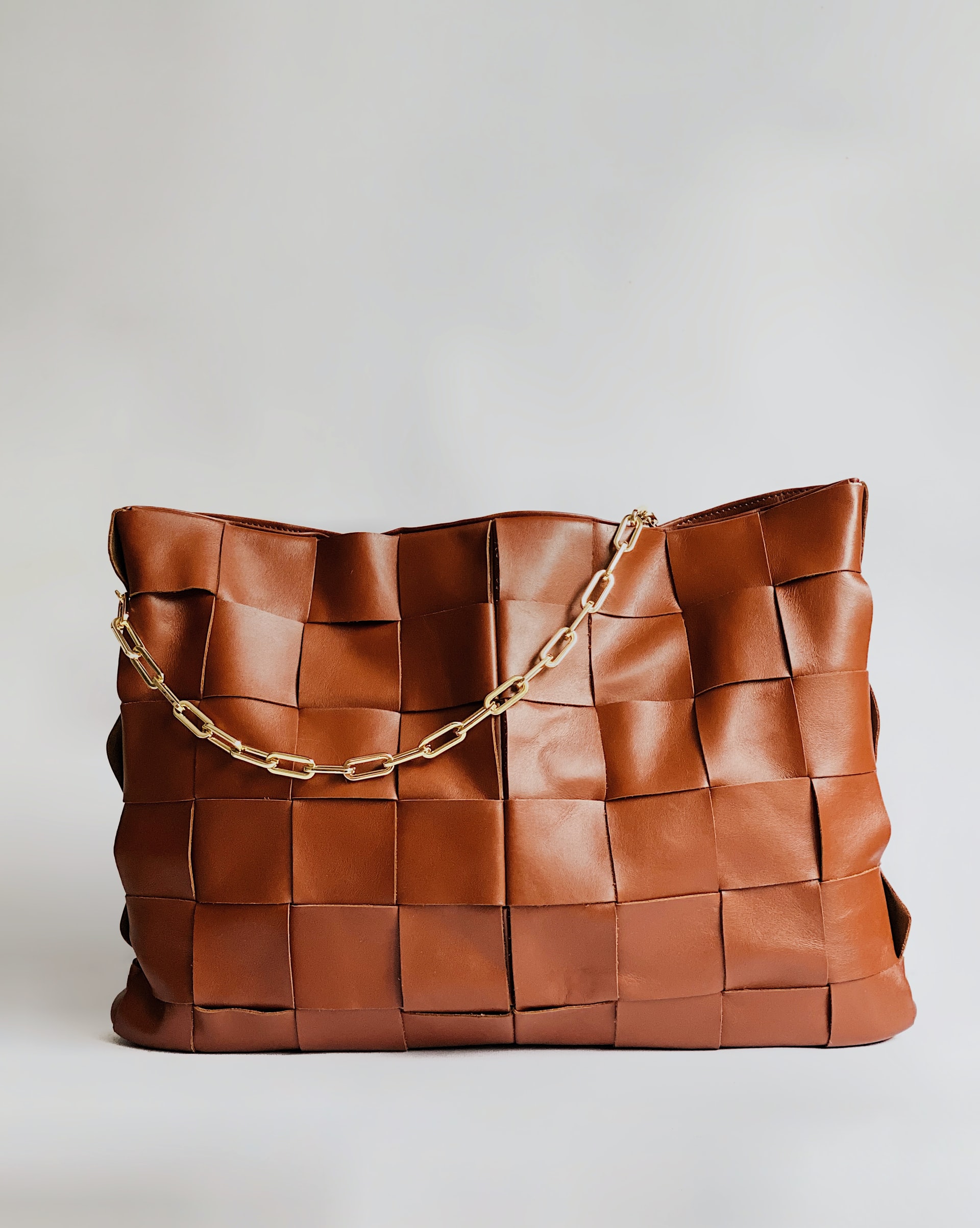
The leather goods & apparel industry
The interior decoration and automotive industry
There is a wide variety of leather types that are used and meet different consumer needs and expectations. Among these are:
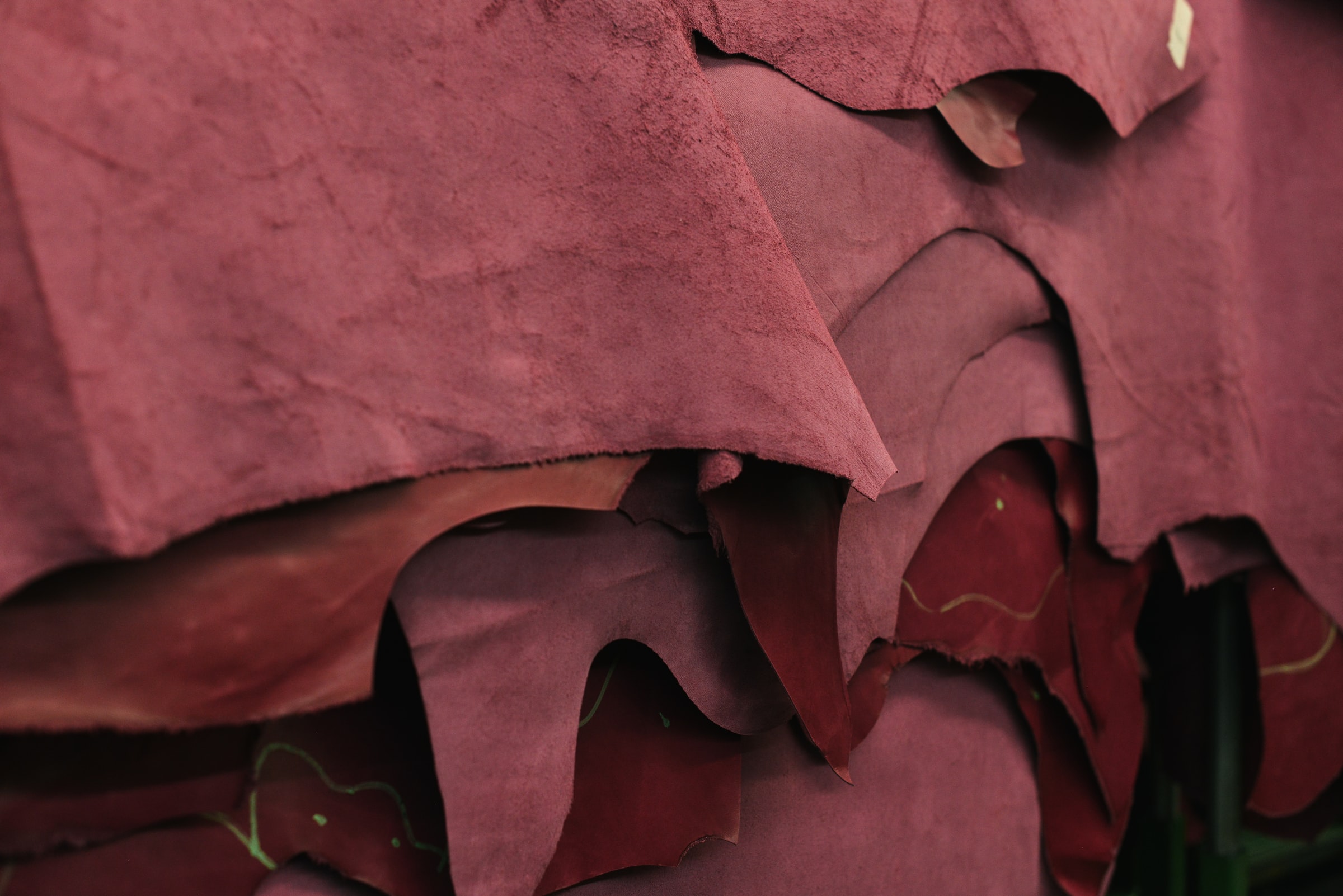
Full grain leather: a luxurious type of leather that comes from the top layer of animal hide and has not undergone any chemical treatment or surface sanding.
Synthetic leather: a material made from polymers.
There are also ecological alternatives to traditional leather based on fruits or materials such as cork.
Globally, the annual growth rate of the leather market varies between 2.5% and 4%, depending on the different regions of the world, according to estimates. The Asia Pacific region dominates the market due to the presence of several tanneries and manufacturers of leather products, especially in China and India. In addition, the footwear segment accounts for the largest share of demand, closely followed by leather goods.
In Germany, the leather market is experiencing moderate growth (especially in the animal leather segment). A distinctive feature of the German market is that demand for leather products for automotive interiors and furniture is higher than in other European countries. In fact, German customers appreciate the quality and especially the durability of leather products. However, a trend has been emerging among younger generations for more than ten years: consumption of genuine leather is declining in favor of vegetable alternatives.
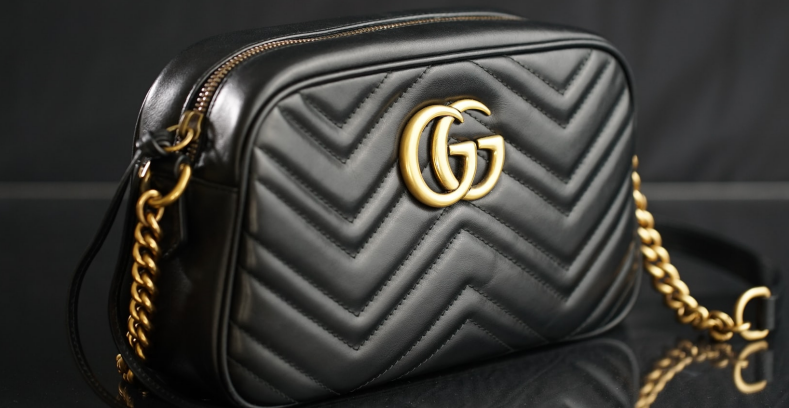
In Germany, leather is mainly imported, but there are also tanneries like WeinheimerLederGerberei. Luxury leather goods companies like MCM use leather in the vast majority of items they offer in their catalog.
Our expertise
Sources to support your analysis
Base your analysis on identified sources, with clear dates and definitions for each figure.
- Understand the scope of the data
- Find the cited publications
- Compare perspectives on the market
Produced by experts — Analysis backed by 35 years of experience in professional information. Our experts select sources, cross-check data and explain the issues shaping your market.
Beyond AI — Professional sources and expert analysis that go beyond ChatGPT or Claude answers based solely on the public web.
IndexPresse press database — Professional press articles covering market news, business strategies and industry developments. All articles are .
Open-access databases — Freely accessible data and publications to enrich the analysis and cross-check the information available on each market.
Official statistics databases — Economic and demographic indicators published by statistical agencies to measure trends and compare markets.
Specialist industry databases — Specialist data and reports to deepen your understanding of the players, segments and dynamics of each industry.

Trusted by professionals
Professionals share their experience of the clarity and usefulness of our studies and the Businesscoot service.
- Clear, structured analysis
- Insights for business projects
- Responsive customer service
As a business valuation expert, I need reliable strategic analysis of potential targets in their industries. For several years, I have relied on Businesscoot's industry analysis, where expertise and relevant data are essential.

David Jeanne
Managing director •
I am very satisfied with Businesscoot's market studies. The information is clear and well structured, making it easy to understand an industry's trends and key figures. Their catalogue is extensive and varied, and customer service is responsive. I recommend Businesscoot for reliable, accessible analysis.

Time Albouy
Business development expert •
Our team of industry experts
Talk to our team to check that the study's subject and scope match your project.
- Check the market scope
- Choose the right study for your project
- Ask a question before ordering
Guilhem Cournut
Food, retail and consumer goods
Denis Monnoyeur
Industry, energy and construction
Marie-Annick Cournède
Health, beauty and personal services

Arthur Lefeuvre
Digital, media and telecommunications
Related studies
Explore complementary studies to broaden your analysis.
- Explore related markets
- Compare market dynamics
- Refine your project
The luxury leather goods market in Germany
The luxury leather goods market includes high-quality products made of the finest leather such as handbags, belts, shoes, and purses. The luxury leather goods market is divided into different product types, but all of them are high-quality products that meet the highest consumer demands.
The leather goods market in Brazil
The leatherwork is a micro category of the wider leather goods market and refers to all leather accessories (e.g. bags, belts, wallets). The distinctive mark of these items of form is therefore the material : leather.
The leather goods market in Spain
Leather goods refers to all items made from leather or similar materials: handbags, wallets, belts, suitcases and other accessories. This sector, at the crossroads of craftsmanship, fashion and luxury, is characterized by traditional know-how and a strong aesthetic dimension.