Italian market
The stonemasonry market in Italy
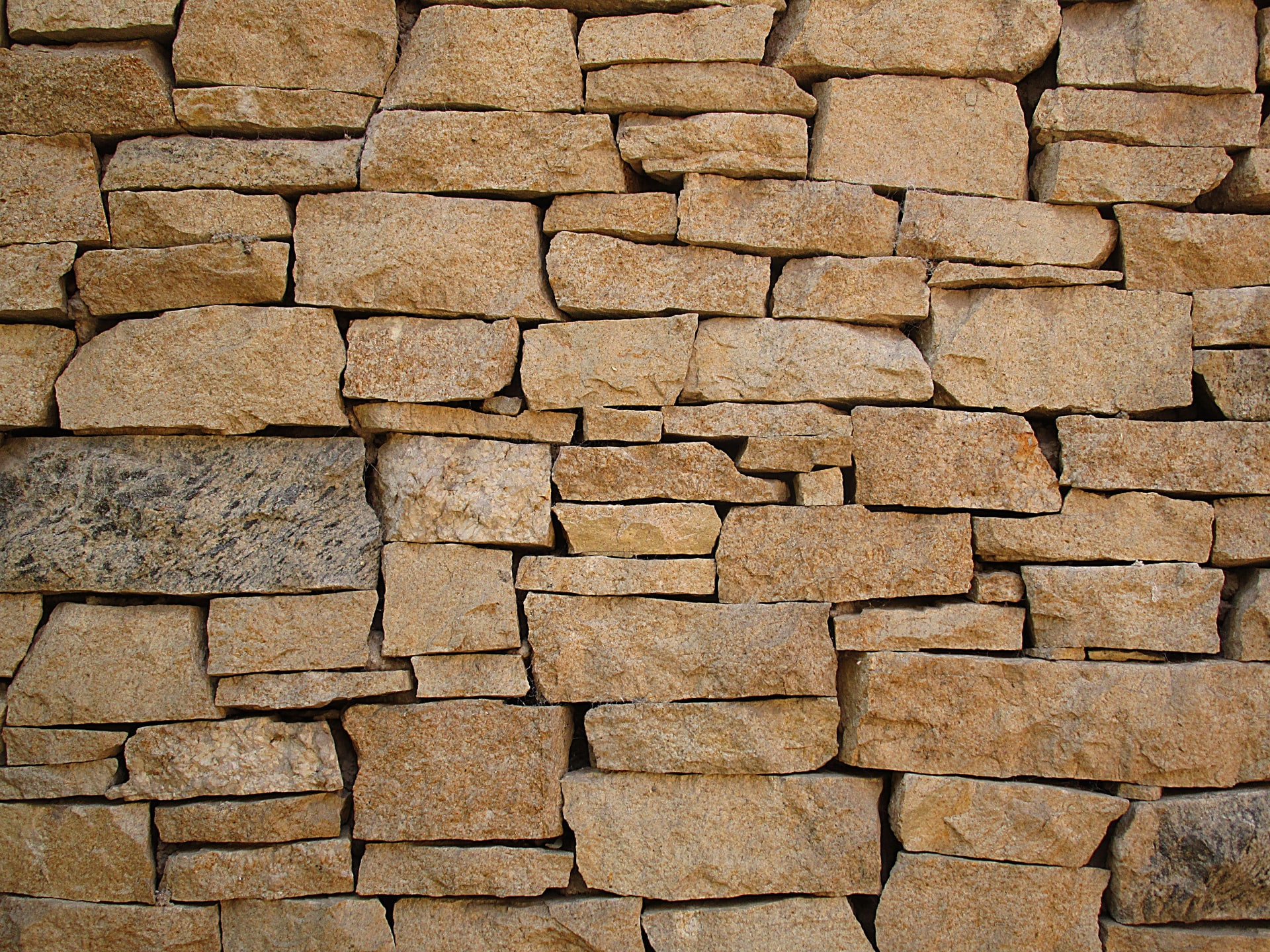
A series of procedures for creating pre-determined shapes from a block of stone is known as stone cutting. To obtain the intended result, it is mostly a craft effort that mixes old methods and technological innovations. Cutting occurs after the stone has been quarried and, in certain cases, industrially processed, but before it is set in structures or streets in the natural stone industry's value chain. Historically, to work the stones, you need a set of chisels, most of which are made of steel and come in a variety of shapes to suit your demands. There are two ways to carve stone: direct and indirect. Direct carving entails using chisels to work the stone's surface, carving it in both full and empty regions. Indirect, on the other hand, entails a carving made on the stone block of an existing model, with the most projecting elements of the stone block removed using a plumb line. The stone block chosen for future processing must have a uniform, compact surface free of veins or fissures, as these flaws could jeopardize the project's completion. Nowadays, many machines have been realized to facilitate the stone cutting, but in many countries it is still a craft job.
- Price
- €99 excl. VAT
- €104.45 incl. French VAT
- PDF sent by email within 48 hours
- Written by industry experts
- Data unavailable to general-purpose AI
- Press sources
Intelligent search
Sectoria
Explore the Businesscoot corpus to take your study further.



The Businesscoot team
A question or a quote?Market overview
Identify industry dynamics, opportunities and market participants to inform your project.
- Understand the market scope
- Identify demand drivers
- Understand market participants and their challenges
A series of procedures for creating pre-determined shapes from a block of stone is known as stone cutting. To obtain the intended result, it is mostly a craft effort that mixes old methods and technological innovations. Cutting occurs after the stone has been quarried and, in certain cases, industrially processed, but before it is set in structures or streets in the natural stone industry's value chain. Historically, to work the stones, you need a set of chisels, most of which are made of steel and come in a variety of shapes to suit your demands. There are two ways to carve stone: direct and indirect. Direct carving entails using chisels to work the stone's surface, carving it in both full and empty regions. Indirect, on the other hand, entails a carving made on the stone block of an existing model, with the most projecting elements of the stone block removed using a plumb line. The stone block chosen for future processing must have a uniform, compact surface free of veins or fissures, as these flaws could jeopardize the project's completion. Nowadays, many machines have been realized to facilitate the stone cutting, but in many countries it is still a craft job.
Being a niche market, it is very difficult to estimate the global market value and the CAGR, but it is known that a hyper fragmented market and that each country has its own traditions.
In Italy, without considering the artisans who work with the hand chisel, there are about 250 small and medium-sized enterprises in the sector that adopt traditional and new technologies. Italy is a country of ancient traditions in the working and cutting of stone; just think of all the artistic and real estate assets present, many of which are the heritage of humanity. The areas of Italy most concentrated on the processing of stone and marble are located near Carrara, near Volterra, near Brescia and Matera. In terms of volume, in 2018 the production of cut and processed stone in Italy was about 6 million tons. Domestic consumption stood at 2 million tons.
The stone cutting market is constantly evolving, despite its origins in millenary know-how. Today, it is fueled not just by stone's ecological and aesthetic value, but also by the increased productivity made possible by the advent of cutting robots and three-dimensional modeling tools.
Study contents
Chapters connecting customer needs, advisory services and the economics of industry professionals.
- Understand customers and uses
- Connect products, businesses and distribution channels
- Compare market participants and their models
Market overview
Analysis of the demand
Market structure
Analysis of the offer
Regulation
Positioning of the actors
Our expertise
Sources to support your analysis
Base your analysis on identified sources, with clear dates and definitions for each figure.
- Understand the scope of the data
- Find the cited publications
- Compare perspectives on the market
Produced by experts — Analysis backed by 35 years of experience in professional information. Our experts select sources, cross-check data and explain the issues shaping your market.
Beyond AI — Professional sources and expert analysis that go beyond ChatGPT or Claude answers based solely on the public web.
IndexPresse press database — Professional press articles covering market news, business strategies and industry developments. All articles are .
Open-access databases — Freely accessible data and publications to enrich the analysis and cross-check the information available on each market.
Official statistics databases — Economic and demographic indicators published by statistical agencies to measure trends and compare markets.
Specialist industry databases — Specialist data and reports to deepen your understanding of the players, segments and dynamics of each industry.














Trusted by professionals
Professionals share their experience of the clarity and usefulness of our studies and the Businesscoot service.
- Clear, structured analysis
- Insights for business projects
- Responsive customer service
As a business valuation expert, I need reliable strategic analysis of potential targets in their industries. For several years, I have relied on Businesscoot's industry analysis, where expertise and relevant data are essential.

David Jeanne
Managing director •
I am very satisfied with Businesscoot's market studies. The information is clear and well structured, making it easy to understand an industry's trends and key figures. Their catalogue is extensive and varied, and customer service is responsive. I recommend Businesscoot for reliable, accessible analysis.

Time Albouy
Business development expert •
Our team of industry experts
Talk to our team to check that the study's subject and scope match your project.
- Check the market scope
- Choose the right study for your project
- Ask a question before ordering
Guilhem Cournut
Food, retail and consumer goods
Denis Monnoyeur
Industry, energy and construction
Marie-Annick Cournède
Health, beauty and personal services

Arthur Lefeuvre
Digital, media and telecommunications
Related studies
Explore complementary studies to broaden your analysis.
- Explore related markets
- Compare market dynamics
- Refine your project
The boiler market in Italy
The term "boiler" refers to a household appliance that is used for heating systems and hot water production. The different types of boilers found on the market are gas-fired, hydrosonic, and condensing boilers. Usually, the factors that are taken into consideration when choosing a boiler
The building insulation market in Italy
Insulators are a diverse group of materials that vary in insulation quality. Insulating materials used in construction form a large and diverse family of products. These products can be classified into 6 main groups
The building materials market in Italy
The construction materials market includes the production, distribution and use of all materials used in the construction, renovation and maintenance of buildings and infrastructure. This category includes structural materials (such as concrete, steel, and bricks), finishing materials (paints, plasters, tiles), thermal and acoustic insulation, lumber,